
China River Channel Dredging Manufacturer Delivers Advanced Equipment for Efficient Waterway Maintenance
2026-05-10
As waterways worldwide struggle with sediment buildup, a Chinese manufacturer is redefining the standards of dredging technology. YaKai Dredger has just delivered advanced equipment that promises to make river channel maintenance faster and more efficient than ever. Here's a closer look at the innovation behind it.
Redefining Waterway Maintenance with Cutting-Edge Dredging Technology
For decades, waterway maintenance followed a predictable pattern: periodic dredging based on estimated silt accumulation, often reactive and resource-intensive. The process relied heavily on experience-driven decisions, which could miss critical changes in sediment dynamics. Today, that paradigm is shifting as advanced sensor arrays and data processing reshape how we understand and manage waterways.
Modern dredging vessels now operate with centimeter-level precision, guided by real-time bathymetric surveys and GPS-linked positioning. Intelligent algorithms analyze sediment composition and flow patterns, enabling targeted removal rather than broad-area excavation. This not only reduces operational time but also minimizes turbidity and disturbance to aquatic ecosystems—an advancement that traditional methods could scarcely achieve.
The outcome is a more resilient approach to waterway upkeep. Maintenance schedules transition from fixed calendars to dynamic, condition-based interventions. Ports and navigation channels stay safer for longer periods, while costs drop as efficiency soars. Perhaps most remarkably, the technology allows for continuous environmental monitoring, turning dredging into a tool for habitat preservation rather than just depth restoration.
Advanced Machinery That Keeps China’s Rivers Flowing Smoothly
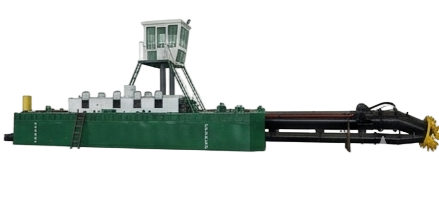
On the Yangtze, a fleet of custom-designed dredgers works around the clock, their cutterheads grinding through sediment that once clogged shipping lanes. These vessels aren’t just powerful—they’re smart, using real-time sonar and GPS to map the riverbed and adjust their suction with surgical accuracy. It’s a quiet kind of choreography that keeps cargo moving and floodwaters at bay.
Further inland, automated gate systems on the Huai River respond to rainfall forecasts days before a storm hits. Sensors upstream feed data into central algorithms, which then decide how wide to open each sluice—not just to prevent overflow, but to restore wetlands downstream that depend on seasonal pulses of water. The machinery learns from each rainy season, refining its rhythm.
Even routine maintenance has been transformed: robotic submersibles now inspect dam walls and tunnel linings, sending back high-resolution imagery to engineers who never have to enter the water. The result is a river network that’s tended with less guesswork and more precision—an infrastructure quietly managed by machines that think in real time.
How Modern Dredgers Are Tackling Sediment Challenges Head-On
Sediment accumulation has always been a persistent headache for ports and waterways, but today's dredging technology is rewriting the rulebook. Gone are the days of brute-force excavation that stirred up contaminants and disrupted ecosystems. Modern dredgers now use precision suction heads and advanced GPS guidance to remove silt with surgical accuracy, leaving the surrounding water far clearer than before.
One of the more clever shifts is the use of real-time monitoring systems that analyze sediment density and composition on the fly. Instead of hauling up everything indiscriminately, operators can adjust intake speeds or switch to enclosed buckets when they hit contaminated zones, preventing toxic plumes from spreading. This isn't just about cleanliness—it cuts down on the expensive dewatering and disposal steps that used to bog down projects.
Meanwhile, some dredging companies are turning the problem on its head by repurposing what they pull up. Nutrient-rich sediments get processed right on board and pumped back to eroded shorelines or marshland restoration sites, saving time and truckloads of diesel. It's a shift from simply managing muck to actively rebuilding landscapes, and it's turning sediment from a nuisance into a resource.
Eco-Friendly Dredging Solutions for Sustainable Waterways
Modern dredging methods are shifting away from conventional practices that disrupt aquatic ecosystems. By integrating precision dredging technologies, operators can now target specific sediment layers while minimizing the spread of turbidity. This approach not only protects fish habitats but also preserves the natural flow of waterways.
The use of biodegradable hydraulic fluids and energy-efficient machinery further reduces the environmental footprint. Cutting-edge silt curtains and real-time monitoring systems ensure that sediment plumes are contained, safeguarding water quality for downstream communities. These innovations are making dredging projects more compatible with long-term ecological health.
From wetland restoration to port maintenance, sustainable dredging aligns with global efforts to balance infrastructure needs with nature. Partnering with environmental scientists, project planners are now designing dredging campaigns that actively contribute to waterway resilience, turning maintenance into an opportunity for ecological enhancement.
Boosting Efficiency in River Channel Maintenance: A Manufacturer’s Story
When floods carved new paths through the Midwest, a small manufacturer of dredging equipment saw an opportunity hiding in the mud. Their standard auger systems were sturdy but slow, often clogging in silt-heavy channels. A retired riverboat captain on their team suggested mimicking the natural flow of water, leading to a spiral blade redesign that cut debris wrapping by half. It wasn’t high-tech—just a deep understanding of what the river actually does.
The real breakthrough came from switching to modular cutter heads. Instead of halting operations to swap out worn parts, crews could now swap segments on-site, slashing downtime from six hours to forty-five minutes. This simple shift, born from a late-night sketch on a grease-stained napkin, let one county maintenance crew clear nearly twice the channel length in a single season. Word spread faster than any marketing campaign ever could.
Today, that manufacturer doesn’t just sell equipment—they run joint trials with local agencies, fine-tuning attachments based on real sediment samples and seasonal flow data. It’s a quietly relentless approach: less about horsepower, more about reading the river and respecting the people who work on it. Efficiency here is measured in thousands of tons of restored water flow, and the stories shared over coffee in maintenance yards, far from boardroom fanfare.
Global Impact of Chinese Dredging Equipment on Inland Navigation
Chinese-built dredging vessels are now a common sight on waterways far beyond the country’s borders. In the muddy channels of the Mekong Delta, along the silt-prone stretches of the Danube, or across the busy arteries of the Nile, trailing suction hopper dredgers and cutter suction units from Chinese manufacturers work day and night to keep depths reliable for cargo traffic. Their presence reflects a pragmatic shift: port authorities and inland waterway operators have found that these machines offer a balance of upfront affordability and robust throughput, often arriving with shorter lead times than comparable European alternatives.
The ripple effects go deeper than machinery. When a dredging fleet heads to a new basin, it typically brings along technical crews, maintenance protocols, and training packages that gradually lift local capabilities. Over time, this technology transfer reshapes how nations approach sediment management—moving from reactive, crisis-driven digging to scheduled, data-informed maintenance cycles. The result is less downtime for vessels, fewer groundings, and a steadier flow of agricultural and industrial goods between inland ports.
Environmental perception has also evolved. Modern Chinese dredging gear integrates silt curtains, real-time turbidity monitoring, and precision spoil disposal systems that cut down on harmful plumes. Instead of blanketing the riverbed with excess sediment, newer models can segregate reusable material for land reclamation or levee reinforcement. These quieter, cleaner operations have helped mute earlier criticism and made the equipment a politically viable choice for transnational projects, effectively widening China’s footprint in global inland navigation without the high-profile friction often attached to large infrastructure exports.
FAQ
The company focuses on producing cutter suction dredgers, jet suction dredgers, and amphibious multipurpose dredgers suitable for river channels, lakes, and reservoirs.
It integrates automated control systems and high-efficiency pumps that allow continuous operation with minimal manual intervention, significantly reducing dredging time and fuel consumption.
Yes, the equipment can be customized with different dredging depths, from 1 meter to over 20 meters, and some models are amphibious to work in swampy or shallow areas.
It can process silt, sand, clay, gravel, and even compacted sediments, thanks to robust cutter heads and wear-resistant pump components.
Absolutely. The manufacturer offers remote diagnostics, on-site training, and spare parts delivery to clients worldwide, ensuring minimal downtime.
The dredgers are equipped with precision dredging features and turbidity monitoring to minimize sediment dispersion, and some models use electric or hybrid power to reduce emissions.
Yes, besides waterway maintenance, these dredgers are widely used in reclamation projects, sand mining, and environmental remediation, demonstrating versatile performance.
Its 20 years of dedicated R&D, a portfolio of 50+ patents, and a track record of delivering over 500 units globally, along with competitive pricing and tailored solutions.
Conclusion
China’s river channel dredging manufacturers are redefining waterway maintenance by delivering advanced equipment that tackles sediment challenges with remarkable efficiency. These cutting-edge machines, equipped with intelligent monitoring and high-suction pumps, remove accumulated silt and debris from riverbeds that otherwise choke navigation routes and raise flood risks. By shifting from manual, reactive methods to automated precision dredging, operators can now target critical accumulation zones and adjust depth in real time. This approach keeps the nation’s busy inland shipping lanes open and predictable for the barges that move much of China’s domestic freight, while extending maintenance intervals and lowering lifecycle costs for waterway authorities.
Behind these gains are manufacturers deeply committed to eco-friendly innovation. The newest dredgers feature low-emission engines, closed-loop slurry systems, and silt curtains that limit turbidity and protect aquatic life—addressing longstanding environmental concerns. Efficiency is built into every design: hull shapes that cut fuel consumption, quick-change wear parts that slash downtime, and onboard automation that reduces crew requirements. One leading Chinese producer has refined its cutter-suction dredger lineup specifically for high-silt rivers, enabling port authorities to reduce operational costs by over 20 percent. The global reach of this technology is expanding rapidly. Chinese dredging equipment now supports key inland navigation projects in Southeast Asia, Africa, and Eastern Europe, where it helps maintain routes essential for cross-border trade. Through sustained engineering and a focus on practical, sustainable results, these manufacturers are not only keeping China’s rivers flowing but also elevating waterway management standards worldwide.
Contact Us
Contact Person: Nancy
Email: [email protected]
Tel/WhatsApp: (+86) 13869631558
Website: https://www.yakaidredger.com/