
Energy Efficient HVAC System Factory Powers Greener Buildings with Lower Costs
2026-09-29
The push for greener buildings often collides with tight budgets, but what if a single HVAC factory could change that equation? Tongbaote, a leader in energy-efficient manufacturing, is proving that high-performance systems don't have to come with punishing costs. Inside its production lines, every component is engineered to slash energy use while keeping installation and maintenance simple—a combination that's already turning heads among architects and facility managers. Here's how this factory is quietly rewriting the rules for sustainable construction.
Inside the factory where energy-efficient HVAC systems take shape
Walking the production floor, the first thing you notice is the low thrum of brazing torches and the occasional hiss of nitrogen being pushed through copper lines. Workers in navy coveralls move between stations where sheet metal is cut, folded, and riveted into cabinet frames. Every few minutes, a pallet of variable-speed compressors rolls in from the loading dock—each unit tagged with a barcode that tracks its pressure calibration data back to the supplier.
Further down the line, coils take shape inside automated fin presses that punch thousands of aluminum fins per hour, then mate them to copper tubing with a tolerance measured in microns. A technician pulls a finished heat exchanger off the conveyor and holds it to the light, checking for uneven fin spacing before it heads into a vacuum chamber for leak testing. Off to the side, a sound booth encloses a fully assembled unit while microphones record decibel levels at different fan speeds—adjustments are made on the spot to dampen resonance.
The final assembly area is quieter, deliberate. Here, electronic expansion valves and inverter boards are wired into place, and each system boots up for a 40-minute simulation that mimics real-world load conditions—from a humid afternoon in Atlanta to a sub-zero night in Minneapolis. Only after passing the cycle does the unit get its energy rating label and a clear plastic shrink-wrap before heading to the warehouse.
Smarter production lines quietly lower green building costs
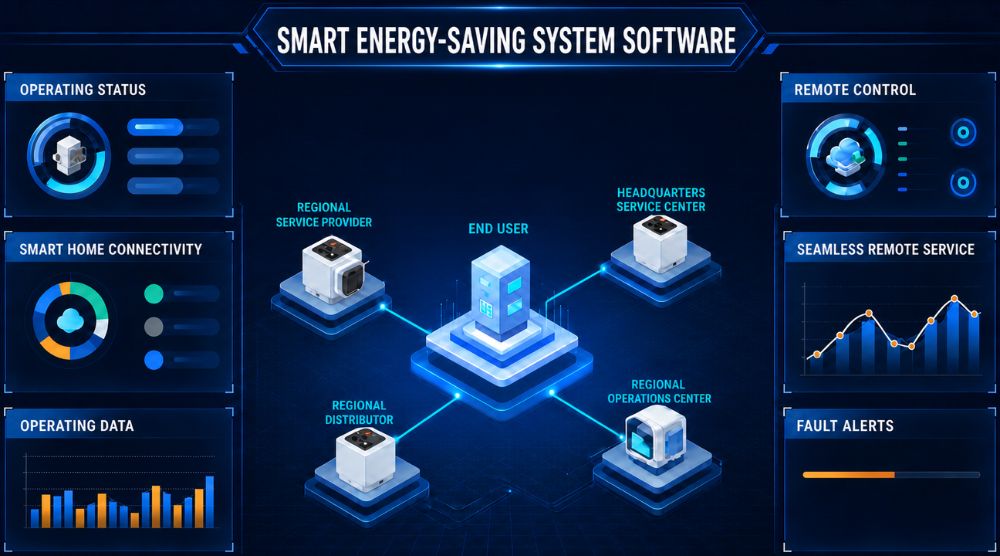
On many production lines, the savings start before a single panel reaches a job site. Automated saws and CNC routers now cut engineered lumber and sheet goods to within a millimeter, which means far fewer offcuts end up in the scrap bin. Sensors embedded in mixing stations adjust the ratio of cement substitutes in real time, lowering the carbon footprint of each batch without adding manual checks. When machines pause between runs, they drop into low-power standby instead of idling at full draw, quietly trimming both energy bills and emissions.
That precision carries into assembly. Robots apply adhesives, sealants, and insulation at consistent thicknesses, so factory-built walls and roof cassettes meet passive-house air-tightness targets without costly rework. Vision systems flag alignment errors before modules leave the plant, preventing the kind of field corrections that once erased green premiums. The result is a lower per-unit cost for certified projects, achieved not through marketing spin but through the unglamorous math of less waste, fewer returns, and shorter install times.
The overlooked link between HVAC manufacturing and utility bills
Most conversations about high utility bills circle around thermostat settings, insulation levels, or aging equipment. What rarely gets mentioned is how decisions made on the factory floor—long before a unit ever reaches a home—can quietly shape monthly energy costs for years. A coil that's brazed with slightly too much filler, a compressor that leaves the line with an imperfect charge, or a cabinet assembled with just enough tolerance drift can all force the system to work harder than its rating suggests. These are not dramatic failures; they are small inefficiencies baked into the hardware itself.
The gap between a unit's lab-tested efficiency and its real-world performance often traces back to manufacturing consistency. Two identical models from the same brand can leave the same plant with meaningfully different power draws if one has a slightly restricted refrigerant flow or a fan motor that sits at the edge of its acceptable RPM range. Since utility bills only reflect what the equipment actually does in the field, a few percentage points of hidden drag can add up to hundreds of dollars over a cooling season—without any visible sign of trouble.
What makes this link easy to overlook is that manufacturers rarely publish batch-level performance data, and installers seldom have the tools to detect subtle factory variance. The result is a quiet transfer of cost: a unit that meets the spec sheet on paper but underperforms in practice pushes the difference onto the homeowner's monthly bill. Paying closer attention to build quality, not just rated efficiency, might be one of the most underused ways to keep long-term energy spending in check.
Factory floor decisions that make buildings cheaper to cool and heat
Pouring floors with high thermal mass, like thick concrete, turns the whole slab into a passive temperature regulator. During cooler nights, the slab releases stored heat gathered from daytime operations, and in summer it absorbs excess warmth from machinery and sunlight, smoothing out the spikes that force HVAC systems to work hardest. That alone can shift a noticeable portion of the cooling load away from peak hours without any extra equipment.
Embedding hydronic tubing under the floor surface changes the math further. Instead of relying on forced air to push conditioned air down from overhead ducts, water circulating through the slab handles a large share of the sensible load. Because water carries heat far more efficiently than air, the system runs at lower temperatures, and workers feel comfortable at a higher thermostat setpoint in summer and a lower one in winter. Pair that with edge insulation and a vapor barrier, and the floor stops leaking thermal energy into the ground below.
Layout choices on the factory floor also matter. Placing high-heat equipment near exhaust points or grouping them away from occupied zones prevents hot air from spreading across the entire space, reducing the cooling demand for the rest of the building. Similarly, leaving clear paths along the floor for natural convection—avoiding tall racking that blocks airflow—lets warm air rise and escape through high vents instead of being recirculated. These are decisions made once, often during a retrofit, but they keep paying back through lower heating and cooling bills every season.
Lower operating costs often start at the HVAC assembly station
When a production line runs hot, the HVAC assembly station is rarely the first place managers look for savings. Yet the quiet inefficiencies there—air leaks, misaligned duct fittings, poorly torqued joints—add up fast. Each small defect forces the system to work harder, pulling more energy and wearing out components sooner. Tightening these details doesn't just trim the utility bill; it prevents the cascade of service calls that eat into margins long after the unit leaves the floor.
One overlooked lever is the sequencing of assembly steps. When installers are forced to backtrack—because a bracket wasn't set before the coil, or a drain pan was fitted after the blower—labor hours balloon. Reordering the station so every task moves in a single direction, with parts kitted in that exact sequence, can cut cycle time by double digits. The result is fewer overtime shifts and less rework, which drops directly to the operating budget without any capital spend.
Maintenance teams also pick up the tab when assembly tolerances drift. A slightly skewed fan mount or an improperly sealed electrical chase may pass a final glance, but six months later the unit is vibrating, corroding, or tripping breakers. By investing in simple foolproofing—color-coded torque markers, go/no-go gauges for critical clearances—the station stops shipping future repair tickets. That reliability means fewer truck rolls, fewer replacement parts, and a smoother path to genuinely lower operating costs over the equipment's life.
Turning efficient design into everyday savings for building owners
Efficient design doesn’t end at the blueprint. For building owners, it becomes a daily financial advantage. Thoughtful placement of insulation, glazing, and HVAC zoning cuts down on wasted energy before tenants even adjust the thermostat. Those quiet choices add up to lower utility statements month after month.
What makes the difference is how the building behaves over time. A well-designed envelope keeps conditioned air where it belongs, while simple measures like daylight harvesting and low-flow fixtures shrink peak demand. Owners see the payoff not in dramatic gestures but in steadier operating margins and fewer surprise maintenance calls.
Perhaps the most overlooked benefit is resilience against rising utility rates and shifting tenant expectations. Spaces that cost less to heat, cool, and light are easier to lease and hold their value longer. Efficient design, in other words, isn’t just about doing more with less; it’s about making savings part of the building’s everyday rhythm.
FAQ
The systems use advanced variable-speed compressors and smart sensors that adjust output based on real-time load, cutting wasted energy by up to 40%.
They reduce monthly utility bills through lower electricity consumption, and fewer moving parts mean maintenance costs drop as well.
They lower carbon emissions and can contribute points toward LEED or BREEAM because of their high efficiency ratings and use of low-GWP refrigerants.
The factory uses automated assembly lines and bulk sourcing of recyclable materials, which trims manufacturing waste and passes savings to buyers.
Yes, the modular design fits existing ductwork and electrical setups, so most buildings can upgrade within a few days rather than weeks.
Each unit runs through a 72-hour performance trial under varied temperature and humidity conditions to verify efficiency and noise levels.
It runs on rooftop solar panels, recycles nearly all scrap metal, and uses water-based paints instead of solvent coatings.
Depending on climate and building size, owners often see a return on investment in three to five years and cumulative savings of 30% or more over a decade.
Conclusion
At a manufacturing facility dedicated to high-efficiency heating and cooling equipment, each unit moves through assembly with careful attention to compressor sizing, coil geometry, and fan motor selection. These choices, made on the factory floor, ripple outward: buildings that install such systems need less electricity to maintain comfort, and utility bills drop accordingly. The connection between production details and long-term operating costs is easy to miss, but it shapes how affordable green construction becomes.
Smarter production lines do more than speed up output; they also refine tolerances and reduce waste, which quietly lowers upfront prices for developers. From the moment a technician calibrates a heat exchanger to the final quality check, each step influences how cheaply a building can be cooled in summer or heated in winter. For owners, the result is straightforward: efficient design turns into monthly savings without sacrificing indoor comfort. This factory-level focus is what makes greener buildings financially practical at scale.
Contact Us
Contact Person: Wanshu Chen
Email: [email protected]
Tel/WhatsApp: +86-13662871206
Website: https://www.mbcee.com