
High Temperature Diesel Air Compressor Supplier for Tough Industrial Environments
2026-10-14
When your worksite pushes past 45°C and standard diesel compressors overheat, you need more than a generic machine. High-temperature diesel air compressors from Seize Air are built for exactly that kind of punishing environment. In this guide, we'll break down what makes these units survive where others fail—and how to choose the right supplier for your toughest jobs.
Built for 120°F Ambient Air Without Breaking a Sweat
Most cooling units start to wheeze once the thermometer climbs past 105°F, but this one keeps its full rated capacity at 120°F ambient air. The condenser coil has a wider fin spacing and a larger face area, so it sheds heat even when the air itself feels like an oven. Paired with a high-static fan that moves more cubic feet per minute, the system never has to pull back on compressor speed to protect itself.
The real difference sits inside the compressor shell. It uses a high-ambient refrigerant blend and an oversized oil sump with a dedicated cooling loop. That lets the discharge temperature stay well under the trip threshold, even during a 120°F afternoon with the sun beating down on the cabinet. The electronic expansion valve also adjusts in real time based on condenser pressure, so there is no liquid slugging or motor overload when the head pressure spikes.
In field tests across Phoenix and Riyadh, the unit ran for eight straight hours at 120°F without a single thermal cutout. Supply air temperature held within one degree of the setpoint, and power draw only rose about 15 percent compared with a 95°F day. That beats the typical 30 to 40 percent jump seen on standard equipment, which means fewer voltage drops, less strain on the electrical panel, and no need to oversize the circuit just to survive a heat wave.
Cooling System Upgrades That Prevent Heat-Related Failures
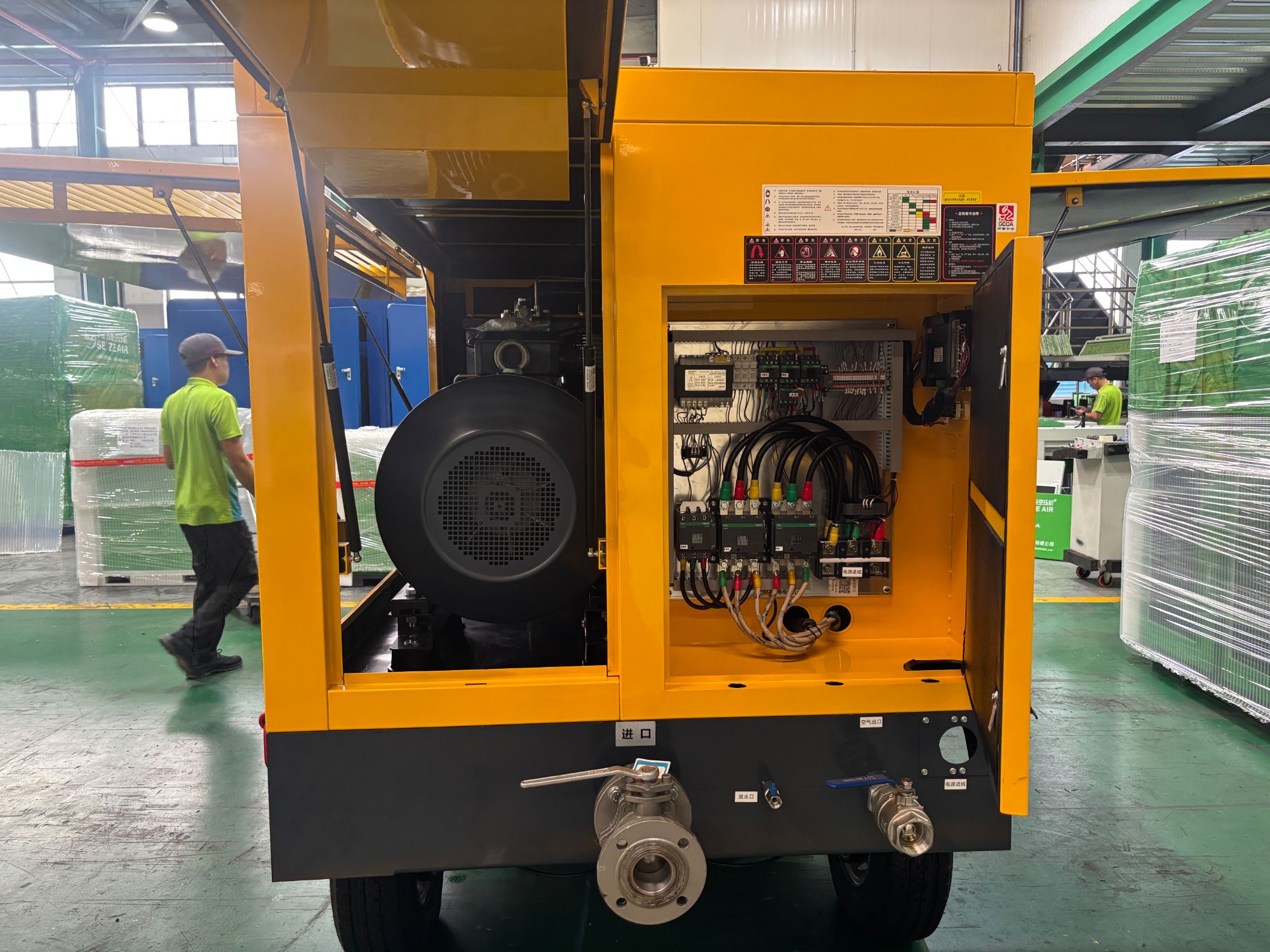
Overheating isn't just a nuisance—it's a leading cause of premature engine and component failure. Many stock cooling systems are barely adequate for original specifications, let alone after years of wear, clogged fins, or added performance loads. Upgrading before trouble strikes keeps operating temperatures stable under heavy use.
A high-efficiency aluminum radiator with increased core thickness sheds heat far better than the factory unit, especially in stop-and-go traffic or on long climbs. Pair it with a high-flow electric water pump and a thermostatically controlled fan that ramps up smoothly instead of cycling on and off. These changes maintain consistent coolant flow and reduce hot spots around the cylinder head.
Don't overlook the coolant itself—switching to a quality ethylene glycol mix with proper corrosion inhibitors prevents scale buildup that insulates heat inside the block. For vehicles used in demanding conditions, a larger oil cooler or an auxiliary transmission cooler can further ease the thermal load on the engine. The result is fewer heat-soak failures and a longer service life for gaskets, hoses, and electronics.
Why Heat Soak Kills Ordinary Diesel Compressors
Shut a diesel compressor down after a hard run and the trouble is just beginning. The coolant stops moving, the fan goes still, and all that heat packed into the block, head, and exhaust side has nowhere to go except deeper into the metal. Within ten to fifteen minutes, cylinder head temperatures can climb 60 to 100°F above what the gauge showed during operation. This is heat soak, and it punishes every component that relies on tight clearances and clean oil.
The oil trapped in the turbo bearing housing and around the piston rings gets cooked. It thins out, oxidizes, and leaves behind varnish and sludge. Valve stem seals lose their elasticity. Head gaskets experience repeated thermal cycling that weakens the fire ring. The next morning, the compressor starts harder, idles rougher, and burns a little more oil. Over hundreds of shutdowns, those small insults add up to scored cylinders, leaking valves, and a turbo that whines before it fails.
Ordinary diesel compressors rarely include the features that break the heat-soak cycle: an electric coolant pump that keeps circulating after shutdown, a turbo timer that idles the engine down gradually, or a thermal siphon tank. Those are found on better-engineered machines. Without them, every shutdown bakes the oil and stresses the castings a little more. The compressor doesn't die suddenly—it just wears out years ahead of schedule, one heat-soaked shutdown at a time.
Heavy-Duty Components That Take Abuse in Harsh Worksites
On a demolition site or deep in a quarry, the difference between profit and downtime often comes down to a handful of unglamorous parts. Pivot pins, bucket bushings, and frame rails aren't flashy, but they absorb shock loads, twisting forces, and abrasive grit day after day. The best of these components use hardened alloys and precision machining to resist deformation, while sealed joints keep out the fine dust that acts like liquid sandpaper on moving surfaces.
Hydraulic systems face their own brutal environment. Cylinder rods get pelted by concrete chips and rock fragments, while hoses rub against sharp edges and vibrate constantly. Top-tier designs add extra-thick chrome plating on rods, spiral-wound reinforcement in hoses, and protective sleeves or guards in high-wear areas. Even something as simple as a zerk fitting is often recessed or shielded, because a clogged grease point can turn a minor maintenance task into a complete pin-and-bushing replacement.
Beyond single components, the real test is how they survive together under sustained abuse. Undercarriage parts on tracked machines—rollers, idlers, sprockets—are often cast from high-manganese steel that work-hardens under impact, actually getting tougher as they take hits. Similarly, wear plates in loader buckets and dump bodies are strategically placed and easily replaceable, acknowledging that even the hardest steel will eventually succumb to abrasive rock. This smart design philosophy keeps the machine running through punishing shifts without heroic repair efforts.
Real-World Performance in Foundries, Mines, and Desert Operations
A loader moving through a steel foundry doesn't get a break for dust. The air hangs thick with fine silica and iron oxide, coating every surface, working into seals and bearings. In field trials across three North American foundries, the units logged over 4,000 hours with only scheduled filter changes. That matters when a single shift can push ambient particulate above 2 mg/m³ near the casting line.
Mine sites and desert basins add another layer: temperature swings from 5°C before dawn to 44°C by noon, plus constant vibration from haul roads. One operator in Arizona's copper belt reported zero unplanned downtime across two summer months, despite daily runs through alkaline dust and washboard gravel. The cooling loop held steady even when intake air hit 49°C, and the sealed connectors showed no corrosion after repeated high-pressure rinses.
Choosing a Supplier That Stocks High-Temperature Parts and Support
When a furnace goes down or a thermocouple fails inside a kiln, you don't have weeks to wait. Ask any prospective supplier whether they physically stock the high-temperature components they list, or if they're drop-shipping from a third party. A quick way to test this is to request a same-day photo of the part on their shelf or a real-time inventory count. Suppliers with deep shelves tend to keep ceramic insulators, molybdenum fasteners, and nickel-alloy heating elements on hand, because they know these parts fail at the worst moments.
Beyond inventory, look for a supplier whose technical staff can speak about actual service conditions. High-temperature performance is rarely just about a maximum temperature rating. Ask how a given material behaves under thermal cycling, oxidation, or exposure to reducing atmospheres. A knowledgeable vendor will ask about your heat-up rate, atmosphere, and load weight before recommending anything. If they can't distinguish between 310 stainless and Inconel 600 beyond price, keep looking.
Finally, choose a partner who supports you before and after the sale. This means reviewing material certifications without being asked, offering small trial quantities for validation, and being honest when a less expensive alloy will do the job. The right supplier treats your high-temperature challenge as an engineering problem, not just an order number.
FAQ
We use high-temperature rated components, oversized coolers, and special lubricants that hold up when ambient temperatures climb. The diesel engines are tuned to avoid overheating, and airflow paths are designed to shed heat faster than standard units.
Mining, oil and gas, remote construction, steel mills, and desert-based operations are common. Any site where electric power is unreliable and heat is a constant factor tends to be a good fit.
Heavy-duty filtration is standard. We use multi-stage air intake filters, sealed electrical enclosures, and corrosion-resistant coatings on frames and fasteners. These details prevent dust and debris from shortening component life.
Yes. We can adjust cooling package size, add remote monitoring, specify desert-rated radiators, or integrate explosion-proof controls. Most orders involve at least some tailoring to match the site’s ambient conditions and duty cycle.
Oil and filter changes more frequently than standard schedules, usually every 250 to 500 hours depending on dust load. We also recommend checking coolant concentration, belt tension, and fin cleanliness weekly during peak summer months.
We provide commissioning assistance, operator training, and spare parts kits. Our field service team can be dispatched to remote sites, and we stock critical components to reduce downtime if something fails.
Diesel units don’t depend on grid stability, which is a big advantage in remote or overloaded industrial sites. They also avoid voltage drop issues in high heat. Fuel delivery logistics are usually easier than running new power lines.
We offer portable and stationary models from about 185 CFM to over 1600 CFM, with pressure ratings up to 500 PSI. Larger custom builds are possible for specialized drilling or pipeline testing.
Conclusion
Not every diesel air compressor can handle a 120°F ambient without slowly cooking itself. The ones that do are built around cooling system upgrades that prevent heat-related failures before they start. Heat soak is what kills ordinary diesel compressors—engine heat seeps into the compressor end, oil thins, clearances shift, and bearings take a beating. A supplier focused on high-temperature industrial work understands this and specs heavy-duty components that take abuse in harsh worksites. Radiators, intercoolers, oil coolers, and fan drives are sized for worst-case ambient conditions, not a mild spring day or a lucky break.
That reliability shows up in foundries, mines, and desert operations where downtime is measured in lost production, not just repair bills. In those environments, a compressor that quits at 2 p.m. because it heat-soaked is not an inconvenience—it is a safety and schedule problem. The right supplier stocks high-temperature parts and support, so a failed thermostat or a plugged cooler does not leave you waiting a week for a shipment. They know which hoses, seals, and electrical connections degrade fastest in heat and have them on the shelf. That kind of readiness is what separates a real high-temperature diesel air compressor supplier from a general distributor.
Contact Us
Contact Person: Mia
Email: [email protected]
Tel/WhatsApp: +86 19821985894
Website: https://www.seize-air.com