
High-Voltage Switchgear: The Key to Reliable Power Distribution Systems
2025-12-24
Imagine a world where every flicker of light, every hum of machinery, and every quiet purr of electronics depend on an unseen hero ensuring their relentless beat. This unsung champion is high-voltage switchgear—the very heart of modern power distribution systems, orchestrating the flow of electricity with precision and protection. Without it, the reliability we often take for granted would falter, leaving industries and homes vulnerable to disruptions. In this blog, we’ll delve deep into how high-voltage switchgear serves as the linchpin of dependable energy networks. From safeguarding against faults to enabling seamless grid management, we’ll uncover its critical role. As pioneers in this field, Lugao has been at the forefront of innovation, designing solutions that not only meet but exceed the demands of a power-hungry world. Get ready to explore the mechanisms, advancements, and future trends that make switchgear indispensable—and discover how Lugao is shaping a more resilient tomorrow. Let’s unlock the secrets behind the switch.
The Critical Role of High-Voltage Switchgear in Power Grid Stability
Imagine a power grid as a complex biological circulatory system - the arteries and veins carrying electricity instead of blood. High-voltage switchgear serves as the ultimate valve system in this analogy, but with far more intelligence and responsibility. These powerful devices don't just turn power on and off; they constantly monitor electrical flow, detect dangerous surges or drops, and make split-second decisions that can prevent cascading failures. When lightning strikes a transmission line or a generator suddenly goes offline, properly functioning switchgear isolates the problem before it spreads through the entire network, much like how emergency valves prevent contamination from spreading through a water system.
What makes modern switchgear particularly fascinating is its evolving role in supporting renewable energy integration. As solar farms and wind turbines feed unpredictable power into grids, switchgear must adapt to bi-directional power flows and handle greater voltage fluctuations than ever before. Advanced switchgear systems now incorporate sophisticated sensors and predictive algorithms that can anticipate problems before they occur, essentially giving the power grid a form of 'immune system' against instability. This isn't about brute force protection anymore, but rather about intelligent adaptation to increasingly complex energy landscapes.
The human element in switchgear operation deserves more attention than it typically receives. While automated systems handle routine operations, skilled engineers continuously analyze performance data to identify subtle patterns that might indicate developing issues. This human-machine partnership has become so refined that some utilities report identifying potential failures months in advance of actual incidents. When you consider that a single switchgear failure during peak demand can affect hospitals, transportation systems, and millions of residences, the true measure of success becomes how quietly and consistently these systems perform their critical functions without ever drawing attention to themselves.
Innovations in Design: Enhancing Efficiency and Safety in Switchgear Systems
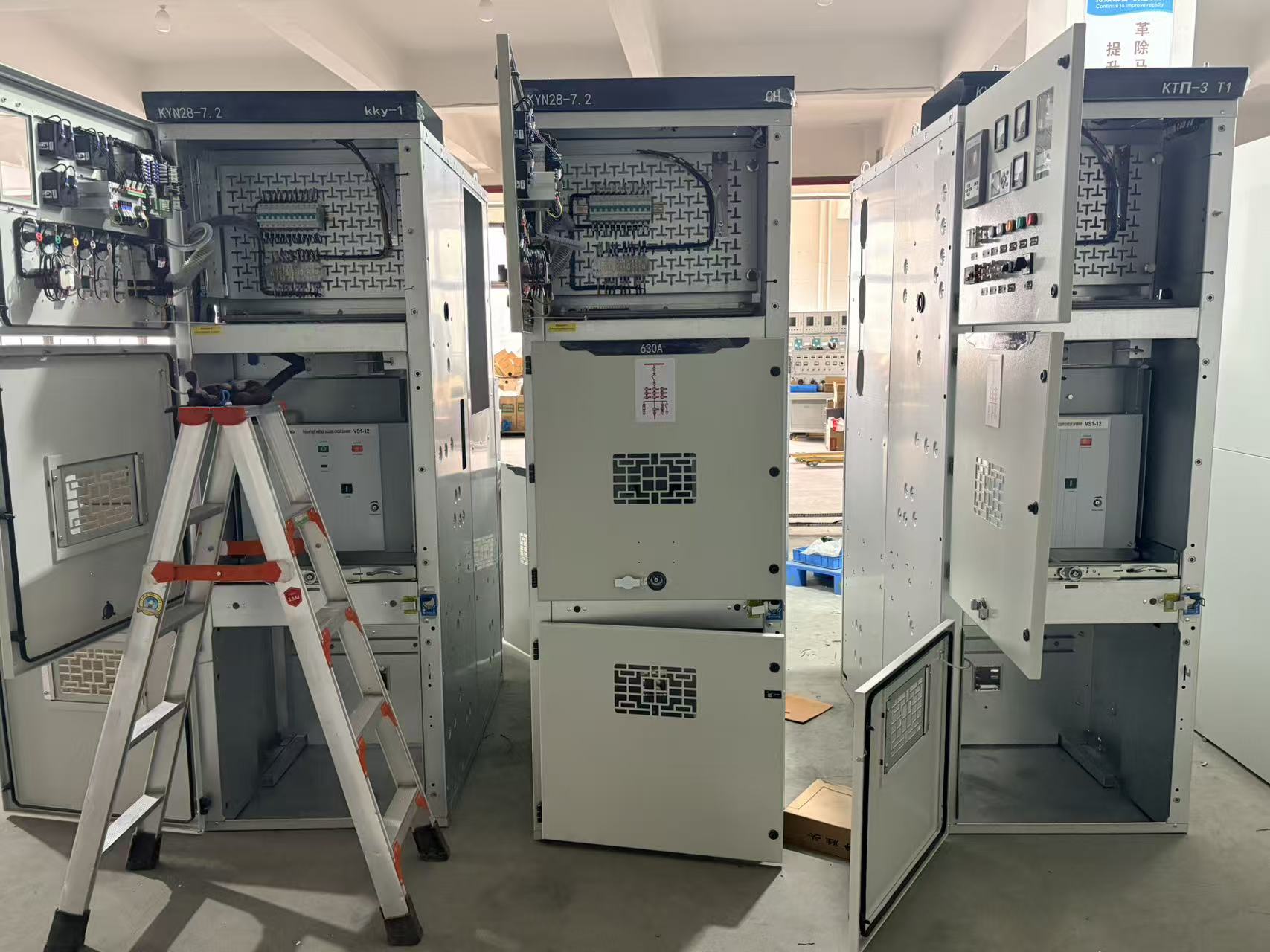
Modern switchgear systems have evolved significantly, driven by innovations that directly address the crucial twin goals of efficiency and safety. Recent developments include the adoption of smart technologies like IoT-enabled sensors and real-time monitoring, which allow for predictive maintenance and reduce downtime. This not only boosts operational efficiency by optimizing power distribution but also enhances safety by preventing potential faults before they escalate into hazardous situations. For example, advanced digital relays can isolate faults within milliseconds, protecting both equipment and personnel.
Another key innovation is the use of environmentally friendly and safer insulating materials, such as SF6-free alternatives, which minimize greenhouse gas emissions and reduce fire risks. Additionally, modular designs have streamlined installation and maintenance, making switchgear systems more adaptable to varying industrial needs. These modular approaches also contribute to safety by enabling easier access for inspections and repairs, reducing the likelihood of accidents during service operations.
Furthermore, innovations like arc-flash mitigation technologies and enhanced enclosure designs have significantly improved safety standards. By incorporating features such as arc-resistant compartments and improved ventilation, modern switchgear systems better contain and dissipate energy from electrical faults, safeguarding operators and infrastructure. Overall, these design advances not only make switchgear more efficient and reliable but also set new benchmarks for safety in electrical systems across industries.
Maintenance Strategies for Prolonging the Life of High-Voltage Equipment
In the high-stakes world of electrical infrastructure, the longevity of high-voltage equipment isn't just a matter of convenience—it's essential for safety, reliability, and cost-effectiveness. To extend the operational life of these critical assets, a proactive maintenance mindset is key. Instead of waiting for equipment to fail, many operators are now implementing condition-based monitoring systems. These systems use sensors to track parameters like temperature, vibrations, and electrical characteristics in real-time, allowing for timely interventions before minor issues escalate into major breakdowns. By catching problems early, you can avoid catastrophic failures that lead to expensive repairs and extended downtime.
Another effective strategy involves a layered approach to maintenance, combining routine inspections with predictive analytics. Scheduled visual checks and cleaning help prevent build-up of contaminants, which can cause insulation degradation and overheating. Meanwhile, advanced diagnostic tools, such as thermal imaging and partial discharge measurements, provide deeper insights into equipment health, enabling tailored maintenance schedules based on actual wear and tear rather than fixed time intervals. This adaptability reduces unnecessary servicing, lowers costs, and minimizes disruptions to power supply, keeping equipment running smoothly for decades.
Training and documentation also play a crucial role in prolonging equipment life. Ensuring that maintenance personnel are well-versed in the specific requirements of high-voltage systems—like proper handling procedures and environmental controls—can prevent human error that accelerates deterioration. Additionally, maintaining detailed records of all maintenance activities helps in identifying patterns and optimizing future strategies, fostering a culture of continuous improvement that benefits both equipment longevity and overall system resilience.
Integrating Renewable Energy with Advanced Switchgear Solutions
When it comes to modern energy systems, integrating renewable sources like solar and wind into the grid isn't just about generating power—it's about managing it intelligently. Advanced switchgear solutions play a crucial role here, acting as the unsung heroes that control, protect, and isolate electrical circuits in these dynamic environments. Without them, the intermittent nature of renewables could lead to instability, making reliable energy delivery a challenge. By deploying smart switchgear, operators can ensure seamless transitions between energy sources, minimizing downtime and enhancing overall grid resilience.
What sets today's switchgear apart is its ability to adapt to real-time conditions, thanks to innovations like digital relays and IoT connectivity. Instead of relying on rigid setups, these systems communicate directly with renewable assets, adjusting settings on the fly to handle voltage fluctuations or sudden load changes. This flexibility not only boosts efficiency but also extends the lifespan of equipment, reducing maintenance costs in the long run. In essence, advanced switchgear transforms renewable integration from a complex puzzle into a smooth, automated process that optimizes every watt generated.
Looking ahead, the synergy between renewables and switchgear is set to deepen with trends like decentralized microgrids and energy storage. Solutions are evolving to incorporate predictive analytics, allowing for proactive maintenance and fault detection before issues escalate. By embracing these advancements, industries can future-proof their infrastructure, ensuring that renewable energy isn't just added to the mix but seamlessly woven into a smarter, more responsive power network that benefits everyone.
Case Studies: Real-World Impacts of Switchgear on Distribution Reliability
In the realm of electrical distribution, switchgear plays a pivotal role that extends far beyond mere technical specifications. Through real-world case studies, we can observe how these systems directly affect reliability in diverse settings. For instance, a major urban utility in North America recently implemented advanced vacuum circuit breakers to replace older oil-based models. This upgrade not only reduced maintenance downtimes by over 40% but also enhanced protection against faults, leading to a noticeable drop in customer complaints about power interruptions during peak seasons. Such examples highlight how targeted investments in modern switchgear can yield tangible improvements in service continuity.
Another compelling case involves a manufacturing plant in Europe that faced frequent production halts due to outdated switchgear failing under heavy load conditions. By integrating smart switchgear with real-time monitoring capabilities, the facility achieved a remarkable turnaround. The new system allowed for predictive maintenance alerts, preventing unplanned outages and saving the company an estimated €500,000 annually in lost productivity. This underscores how reliability isn't just about preventing failures—it's about creating resilient infrastructures that adapt to dynamic operational demands, with switchgear serving as the linchpin in this transformation.
Looking beyond industrial applications, a rural electrification project in Southeast Asia demonstrates the broader societal impacts. Here, the deployment of robust, weather-resistant switchgear in remote distribution networks reduced outage durations by up to 60% compared to previous systems. Communities previously plagued by unreliable electricity now experience more stable power, enabling better access to education and healthcare services. These case studies collectively reveal that switchgear's influence on distribution reliability isn't merely technical; it's a critical factor in driving economic efficiency, operational resilience, and even social development across various real-world contexts.
Future Trends: Smart Technologies Revolutionizing Switchgear Operations
In today's rapidly advancing electrical infrastructure landscape, smart technologies are fundamentally transforming switchgear operations from traditional setups into highly intelligent, interconnected systems. Innovations like predictive maintenance, enabled by IoT sensors and AI-driven analytics, are shifting the focus from reactive to proactive management. These tools continuously monitor parameters such as temperature, current, and vibration, allowing operators to detect anomalies early and schedule repairs before failures occur, significantly reducing downtime and enhancing reliability. This evolution not only boosts operational efficiency but also leads to substantial cost savings by minimizing unplanned outages and extending equipment lifespan, making switchgear more resilient in demanding environments.
Beyond predictive maintenance, advanced communication protocols are integrating switchgear into broader smart grid architectures, enabling real-time data exchange, remote monitoring, and automated control. Technologies like 5G and edge computing facilitate faster, more reliable connectivity, allowing operators to manage complex power distribution networks with unprecedented precision. This connectivity supports dynamic load management and grid balancing, helping utilities respond swiftly to fluctuations in energy demand and integrate renewable sources seamlessly. As a result, switchgear becomes a key component in optimizing energy flows, enhancing grid stability, and supporting sustainable energy goals, all while ensuring safety and compliance with evolving regulations.
Looking ahead, the integration of machine learning and digital twins is set to further revolutionize switchgear operations. Digital twins, or virtual replicas of physical switchgear, simulate performance under various conditions, enabling operators to test scenarios, predict outcomes, and optimize configurations without disrupting real-world operations. These models, combined with real-time data feeds, provide deep insights into operational patterns, helping engineers fine-tune settings for peak efficiency. This trend not only enhances decision-making but also accelerates innovation, paving the way for more adaptive, self-healing systems that can autonomously adjust to changing demands, ultimately ushering in a new era of intelligent, future-ready electrical infrastructure.
FAQ
High-voltage switchgear is equipment that controls, protects, and isolates electrical circuits in power distribution. It's essential because it ensures reliable power flow, prevents damage from faults, and allows for safe maintenance, making it a cornerstone of modern electrical grids.
High-voltage switchgear is designed for utility-scale power transmission and distribution, typically above 1 kV, handling large currents and voltages to connect substations and industrial plants. In contrast, low-voltage systems are for end-user applications like buildings and machinery, focusing on safety and convenience at lower power levels.
Common components include circuit breakers to interrupt current during faults, disconnectors for isolation, earthing switches for safety grounding, and protective relays to detect abnormal conditions. Each part works together to manage power flow and enhance system reliability.
Reliability is critical to prevent widespread outages and ensure continuous power supply. It's achieved through robust materials, advanced insulation, regular testing, and redundancy features like backup systems, minimizing failure risks in harsh environments.
Challenges include wear from electrical arcing, environmental factors like moisture, and the need for skilled maintenance. These are addressed by using durable materials, sealed enclosures, predictive maintenance technologies, and thorough training programs for technicians.
It enables efficient management of variable power from sources like wind and solar by quickly switching and protecting circuits, facilitating grid stability, and allowing for smart grid adaptations that support a sustainable energy mix.
Conclusion
High-voltage switchgear serves as the backbone of modern power distribution systems, playing a critical role in ensuring grid stability and reliability. It acts as a sophisticated control mechanism that safely directs electrical current, isolates faults to prevent cascading outages, and protects equipment from damage. Innovations in design have significantly enhanced both efficiency and safety, with advanced materials and modular architectures reducing energy losses and improving operational resilience. When integrated with renewable energy sources, smart switchgear enables smoother grid integration of solar and wind power, managing fluctuations in supply to maintain consistent electricity delivery. These technological advancements not only optimize performance but also contribute to a more sustainable energy infrastructure.
Effective maintenance strategies are essential for prolonging the lifespan of high-voltage equipment, minimizing downtime, and ensuring long-term reliability. Real-world case studies demonstrate how proactive upkeep and condition monitoring directly impact distribution reliability, preventing costly failures and enhancing public safety. Looking ahead, future trends point toward a revolution in switchgear operations through smart technologies such as IoT sensors, AI-driven analytics, and predictive maintenance tools. These innovations will enable autonomous fault detection, remote operation, and adaptive grid management, ultimately creating more resilient power systems that can meet evolving energy demands while supporting the transition to cleaner energy sources.
Contact Us
Contact Person: Doreen
Email: [email protected]
Tel/WhatsApp: 8618057712366
Website: https://www.liugaopower.com/