
ODM Dry-Type Transformer Solutions: Innovative Power Management for Modern Applications
2025-12-29
In the dynamic landscape of power management, innovation is not just an option—it’s a necessity. Enter the realm of ODM dry-type transformers, where cutting-edge technology meets unparalleled reliability for modern applications. At Lugao, we are redefining what’s possible with these advanced solutions, offering tailored designs that prioritize safety, efficiency, and sustainability. Why settle for conventional power systems when you can embrace transformative technology? Dive into this blog to discover how our innovative approaches are shaping the future of energy management—and how you can leverage them for your unique needs.
Revolutionizing Power Distribution with Custom Dry-Type Transformers
Imagine a power distribution system fine-tuned to your facility's exact needs, eliminating unnecessary bulk and operating with remarkable efficiency. That's the promise of custom dry-type transformers. Unlike their standard counterparts, these units are engineered from the ground up to match specific voltage requirements, load profiles, and spatial constraints. By eschewing liquid cooling and opting for advanced solid insulation materials, they offer enhanced safety and reliability in environments where fire hazards or chemical leaks are a concern.
What truly sets custom designs apart is their ability to integrate seamlessly into modern infrastructure. Whether you're retrofitting an existing building or constructing a new data center, custom dry-type transformers can be configured for optimal performance. This means reduced energy losses, lower operating temperatures, and longer service life—all translating to significant cost savings and a smaller carbon footprint over time.
Beyond efficiency, the flexibility of custom dry-type transformers opens doors to innovative applications. From supporting renewable energy systems to enabling smart grid technologies, these transformers adapt to evolving power demands. They serve as a cornerstone for resilient, future-ready electrical networks, empowering industries to upgrade their operations without compromise.
Smart Solutions for Energy Efficiency and Reduced Operational Costs
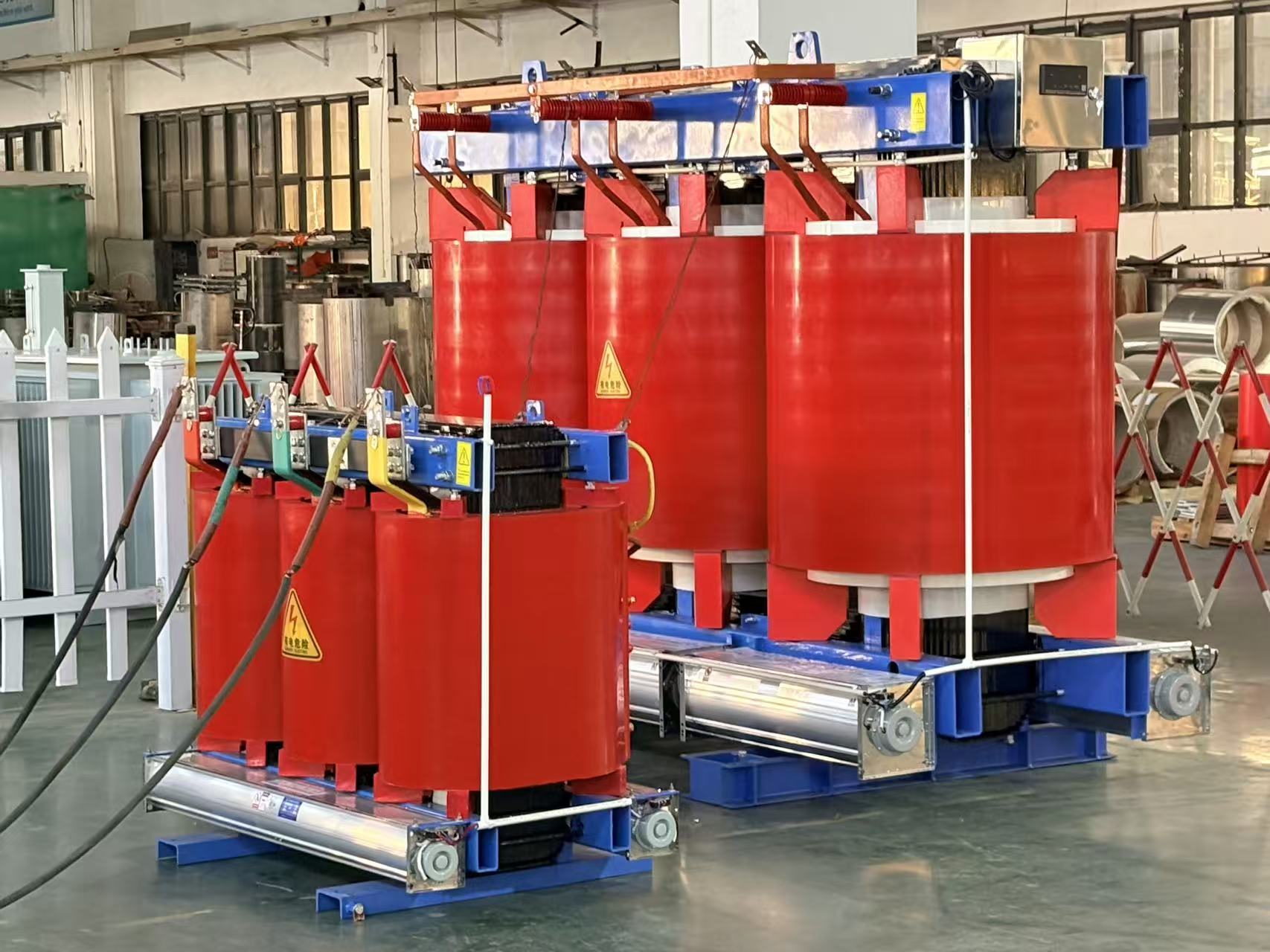
Energy efficiency isn't just about cutting costs; it's about working smarter, not harder. From intelligent lighting systems that adjust based on occupancy to HVAC optimizations using real-time weather data, smart solutions transform how we manage energy. These technologies not only lower utility bills but also reduce environmental impact, creating a win-win for businesses committed to sustainability.
Beyond basic upgrades, advanced solutions like predictive maintenance and energy analytics platforms can identify inefficiencies before they become costly problems. For instance, smart meters paired with AI-driven insights help pinpoint energy waste in manufacturing or commercial buildings, allowing for targeted interventions. This proactive approach slashes operational expenses while extending the lifespan of equipment.
What really sets these solutions apart is their adaptability—they scale with your needs. Whether integrating renewable energy sources or automating energy consumption patterns, businesses see tangible savings without sacrificing performance. It’s not a one-size-fits-all fix; it’s a tailored strategy that evolves, ensuring long-term efficiency and resilience in a competitive market.
Enhancing Reliability in Industrial and Commercial Applications
In today's fast-paced industrial and commercial environments, the pursuit of reliability is more critical than ever. Whether it's a manufacturing plant ensuring continuous production lines or a commercial building maintaining optimal climate control, downtimes can lead to significant financial losses and operational disruptions. Enhancing reliability involves a proactive approach that integrates robust design, advanced monitoring systems, and predictive maintenance strategies. By focusing on redundancy and fail-safes, businesses can minimize unexpected breakdowns and maintain seamless operations, even under challenging conditions.
A key aspect of improving reliability is the adoption of smart technologies that provide real-time insights into equipment performance. IoT sensors and data analytics enable early detection of potential issues, allowing for timely interventions before they escalate into major failures. This data-driven approach not only reduces maintenance costs but also extends the lifespan of assets, contributing to long-term sustainability. In commercial settings, such as retail or hospitality, reliable systems ensure customer satisfaction and safety, fostering trust and loyalty in a competitive market.
Moreover, enhancing reliability goes beyond technical solutions; it requires a cultural shift towards prioritizing quality and resilience. Training staff to recognize signs of wear and implementing standardized protocols can prevent human errors that compromise system integrity. Collaborative partnerships with suppliers and service providers also play a vital role in sourcing durable components and timely support. Ultimately, by embedding reliability into every facet of operations, industrial and commercial entities can achieve greater efficiency, reduce risks, and build a reputation for dependability that sets them apart from competitors.
Compact Designs That Save Space and Support Scalable Infrastructure
In today's fast-paced digital landscape, compact designs are revolutionizing how businesses approach infrastructure. By minimizing physical footprint, these solutions not only conserve valuable real estate but also pave the way for scalable growth. From sleek server racks to modular data centers, such innovations allow organizations to expand seamlessly without the overhead of bulky hardware, making them ideal for urban settings or resource-constrained environments.
What sets these designs apart is their ability to integrate flexibility with efficiency. Unlike traditional setups that often require extensive retrofitting, compact systems are engineered with scalability in mind. This means you can start small and add capacity as needed, using components that fit together like building blocks. Such adaptability reduces downtime and operational costs, ensuring that your infrastructure evolves in lockstep with your business demands.
Beyond mere space savings, these designs foster a future-ready approach. By leveraging advanced cooling technologies and energy-efficient materials, they enhance performance while supporting eco-friendly practices. This holistic view not only meets immediate needs but also anticipates future technological shifts, empowering enterprises to stay agile in an ever-changing market.
Advanced Cooling Technologies for Quieter, More Sustainable Performance
At the heart of modern electronics lies a delicate balance between power and efficiency, where innovative cooling solutions are key to reducing operational noise and enhancing environmental sustainability. By leveraging advanced materials like graphene and phase-change compounds, these technologies quietly dissipate heat more effectively than traditional fans, allowing devices to run cooler without sacrificing performance. This shift not only curtails energy consumption but also extends product lifespans, making it a smart investment for both users and the planet.
These cooling methods often integrate seamlessly into sleek designs, using liquid cooling loops or heat pipes that operate silently, eliminating the intrusive hum of conventional systems. They're engineered to adapt dynamically to thermal loads, providing on-demand cooling that prevents overheating during intense tasks while staying dormant during lighter use. This adaptive approach not only boosts reliability but also reduces wear and tear, contributing to a smoother, more sustainable user experience over time.
Beyond just quiet operation, these advancements support greener initiatives by minimizing waste and energy use, aligning with global efforts for eco-friendly technology. As industries adopt such innovations, they pave the way for quieter, more efficient devices that thrive in demanding environments, from gaming rigs to data centers, ultimately redefining what it means to have high-performance tech that cares for both people and the environment.
Tailored Transformer Systems to Meet Unique Demands in Modern Settings
In today's rapidly evolving technological landscape, the one-size-fits-all approach simply doesn't cut it anymore. That's exactly why tailored transformer systems have emerged as game-changers for businesses and industries looking to address their specific challenges head-on. By moving beyond generic models, these bespoke systems allow organizations to fine-tune every aspect of their operations—whether it's optimizing energy distribution in smart grids or enhancing real-time language translation for global communication networks.
What sets these custom-built transformers apart is their capacity to adapt seamlessly to niche applications that off-the-shelf solutions often overlook. For instance, in environments with volatile power demands, like renewable energy farms, a tailored system can dynamically adjust voltage levels to prevent overloads, ensuring reliability when it matters most. This level of precision not only boosts efficiency but also opens doors to innovation in sectors as diverse as healthcare diagnostics and advanced manufacturing, where unique data streams require specialized processing capabilities.
Ultimately, the true power of tailored transformer systems lies in their flexibility to evolve alongside shifting demands, helping organizations stay ahead of the curve without being bogged down by rigid architectures. By integrating smart sensors and AI-driven analytics, these systems can learn and adapt in real time, offering a sustainable pathway to growth that aligns perfectly with modern priorities like resilience and scalability.
FAQ
These solutions leverage advanced insulation materials and compact designs to enhance power safety and efficiency, distinguishing them from traditional liquid-cooled transformers.
They offer reduced fire risk, lower maintenance needs, and improved environmental compatibility, making them ideal for sensitive settings like data centers and renewable energy plants.
Key differentiators include custom design flexibility, higher energy efficiency ratings, and robust performance in harsh conditions, tailored to specific client requirements.
Yes, they are engineered to handle high-voltage demands with precision, using dry-type technology to mitigate electrical faults and ensure reliable operation.
Industries such as manufacturing, healthcare, and telecommunications frequently adopt them due to their safety, efficiency, and adaptability to modern infrastructure.
By eliminating hazardous coolants and using recyclable materials, they reduce environmental impact and support green energy initiatives.
They solve issues like space constraints, overheating risks, and compliance with strict safety standards, enhancing overall system resilience.
Conclusion
ODM dry-type transformer solutions represent a significant advancement in power management, specifically designed for modern applications that demand reliability, efficiency, and customization. By revolutionizing power distribution with custom designs, these transformers cater to unique industrial and commercial needs, ensuring enhanced reliability in diverse settings. The integration of smart solutions focuses on boosting energy efficiency while reducing operational costs, making them ideal for scalable infrastructures that require compact designs to save valuable space. This approach not only meets contemporary demands but also supports sustainable growth through innovative engineering.
Furthermore, these solutions incorporate advanced cooling technologies to deliver quieter and more sustainable performance, aligning with environmental goals without compromising functionality. Tailored transformer systems are adept at addressing the specific challenges of modern applications, from industrial complexes to commercial facilities, by providing flexible and scalable power management options. By merging cutting-edge technology with practical design, ODM dry-type transformers offer a forward-looking approach that enhances power reliability, optimizes energy use, and adapts seamlessly to evolving infrastructure needs, positioning them as a cornerstone for efficient and resilient power systems today.
Contact Us
Contact Person: Doreen
Email: [email protected]
Tel/WhatsApp: 8618057712366
Website: https://www.liugaopower.com/