
Top Non Oriented Electrical Steel Suppliers for Your Next Project
2026-04-13
Embarking on a new project involves meticulous planning and sourcing the best materials—especially when it comes to non-oriented electrical steel, a critical component in everything from motors to transformers. In a market flooded with options, finding reliable suppliers can be daunting. That's why we're diving into the top non-oriented electrical steel suppliers to guide your next big venture. Among these standout names, Jiangsu Baowu New Materials is making waves with its innovative approaches and robust quality standards. Get ready to explore the players shaping this industry and how they can elevate your projects to new heights.
Key Players in Non-Oriented Electrical Steel
The non-oriented electrical steel market is dominated by a handful of major manufacturers, each bringing unique strengths to the table. Companies like Nippon Steel in Japan and Baosteel in China have long been at the forefront, leveraging extensive research and production facilities to cater to global demand.
European players such as Thyssenkrupp and ArcelorMittal also play significant roles, often focusing on high-efficiency grades for advanced applications in electric vehicles and renewable energy systems. Their innovations in alloy compositions and processing techniques help drive performance improvements across the industry.
Emerging firms from regions like India and South Korea are gaining traction by offering cost-effective solutions and specialized products, adding diversity to the competitive landscape. This dynamic mix of established giants and agile newcomers ensures continued evolution in the sector.
What to Look for in a Supplier
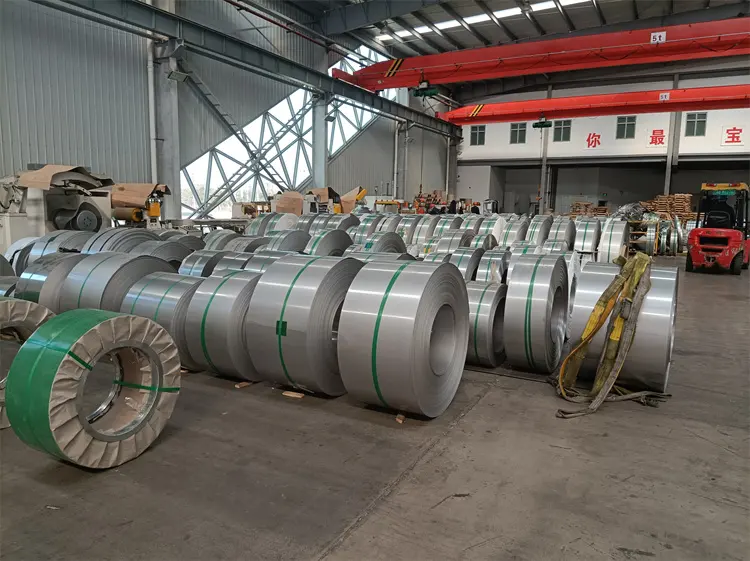
Selecting the right supplier is crucial for your business success, as it directly impacts product quality, cost efficiency, and operational reliability. When evaluating potential partners, prioritize factors like financial stability and market reputation, which can indicate long-term viability. Look into their track record with other clients to gauge consistency and responsiveness, ensuring they align with your specific needs and values. This diligent approach helps minimize risks and fosters a stable supply chain that supports growth.
Beyond basic credentials, delve into the supplier's operational capabilities and adaptability. Assess their production capacity and technological advancements to ensure they can meet your demands, especially during peak periods or unexpected challenges. Consider their commitment to innovation and sustainability, as these elements often translate to better value and alignment with modern business trends. A supplier that demonstrates flexibility and forward-thinking can be a strategic asset, enhancing your competitive edge in the market.
Effective communication and ethical practices are often overlooked but essential aspects of a strong supplier relationship. Evaluate their customer service, conflict resolution processes, and transparency in pricing and policies. Building a partnership based on trust and mutual respect can lead to collaborative improvements and problem-solving. By focusing on these interpersonal dynamics, you can create a reliable network that not only fulfills orders but also contributes to your overall business resilience and reputation.
Industry Leaders and Their Innovations
In today's rapidly evolving business landscape, a handful of visionary companies consistently set the pace, driving progress through groundbreaking innovations that redefine entire sectors. Take Tesla, for instance, which not only pioneered electric vehicles with mass appeal but also revolutionized battery technology and autonomous driving systems, pushing the automotive industry toward a sustainable future. Meanwhile, Amazon transformed retail by leveraging AI and big data to personalize shopping experiences, while its cloud computing arm, AWS, has become the backbone for countless digital enterprises worldwide.
Beyond tech giants, leaders in healthcare like Moderna have demonstrated remarkable agility, using mRNA technology to develop vaccines at unprecedented speeds during global crises. Similarly, in the renewable energy sector, companies such as Ørsted shifted from fossil fuels to become a dominant force in offshore wind power, showcasing how bold strategic pivots can yield both environmental and economic gains. These examples highlight how innovation isn't just about incremental improvements but often stems from a willingness to challenge conventional wisdom and invest in long-term, high-risk ventures.
What truly sets these industry leaders apart is their ability to foster cultures that encourage experimentation and embrace failure as a stepping stone to success. By integrating cross-disciplinary teams and leveraging open innovation platforms, companies like SpaceX have drastically reduced space launch costs, making interplanetary exploration more feasible. This blend of visionary leadership and collaborative ecosystems ensures that their innovations resonate broadly, shaping not just markets but societal norms and global priorities for years to come.
Factors Influencing Supplier Selection
Choosing the right supplier isn't just about finding someone with the lowest price tag; it's a strategic decision that can make or break your business operations. Beyond cost, factors like reliability, quality, and responsiveness play crucial roles. For instance, a supplier with a proven track record of on-time deliveries can help you avoid production delays and maintain customer satisfaction. Similarly, consistent product quality ensures that your end products meet standards, reducing the risk of returns or negative reviews. In today's fast-paced market, considering these elements early on can save you from costly disruptions down the line.
Another key aspect to weigh is communication and collaboration. Effective suppliers don't just fill orders—they partner with you to solve problems and innovate. Look for those who are transparent about their processes and open to feedback, as this fosters a stronger relationship and can lead to improvements in your supply chain. Cultural fit and ethical practices, such as sustainability and fair labor standards, are increasingly important too, as consumers and regulations demand more responsible sourcing. Balancing these factors helps build a resilient network that supports long-term growth and brand reputation.
Geographic location and scalability also impact supplier selection significantly. Local suppliers might offer faster shipping and lower logistics costs, while international ones could provide access to specialized materials or cost advantages. However, you must assess risks like political instability or trade barriers. Additionally, check if a supplier can scale with your business growth, offering flexibility in order volumes without compromising on quality. By carefully evaluating these diverse factors, you can create a tailored supplier strategy that aligns with your company's goals and adapts to changing market conditions.
Noteworthy Global Providers
From bustling urban centers to remote corners of the world, a diverse array of service providers stands out for their exceptional reach and impact. These entities have carved niches by adapting to local cultures while maintaining global standards, offering unique solutions that go beyond one-size-fits-all approaches. For instance, some specialize in sustainable supply chains, weaving environmental responsibility into their core operations, while others excel in bridging technological divides with innovative, accessible tools.
What sets these providers apart is their ability to foster deep connections and trust across borders. Whether it's through personalized customer support in multiple languages or community-driven initiatives that address region-specific challenges, they prioritize human-centric values over mere transactional relationships. This approach not only enhances reliability but also cultivates loyalty, transforming clients into long-term partners who appreciate the nuanced understanding of diverse markets and needs.
In an era marked by rapid change, these notable global players continuously evolve by embracing agility and foresight. Rather than resting on past achievements, they invest in research and collaboration to anticipate trends and mitigate risks, ensuring resilience in volatile environments. By blending tradition with innovation, they offer compelling narratives that inspire confidence and set new benchmarks for excellence worldwide.
Making an Informed Choice for Your Project
When you're deep in the planning stages of a new venture, the array of options can feel overwhelming. Taking a step back to gather all the necessary details can transform that confusion into clarity. This process involves more than just a quick scan of features; it's about aligning each potential solution with your core objectives, budget constraints, and long-term vision.
Dive into real-world case studies and user testimonials to see how similar projects have fared. Pay attention not only to successes but also to the challenges others have faced, as these insights can reveal hidden pitfalls or unexpected advantages. By weighing these factors thoughtfully, you build a foundation that supports confident decision-making rather than relying on guesswork.
Ultimately, an informed choice stems from a blend of research, intuition, and practical testing. Don't hesitate to request demos or trial periods to get a hands-on feel for how a tool or service performs in your specific environment. This proactive approach ensures that your final selection not only meets immediate needs but also adapts smoothly as your project evolves, safeguarding your investment and paving the way for sustainable growth.
FAQ
Leading suppliers include Voestalpine, ThyssenKrupp, and ArcelorMittal, known for their high-quality products and global reach.
Consider factors like core loss, permeability, and application requirements; suppliers often provide technical support to help match steel grades to specific needs.
Yes, companies like Baosteel and Nippon Steel are expanding their offerings, offering competitive options with innovative technologies.
It's commonly used in motors, transformers, and generators, where efficient magnetic properties are essential for energy conversion.
Non-oriented steel has isotropic magnetic properties, making it suitable for rotating equipment, while grain-oriented steel is optimized for directional use in transformers.
Check for certifications like ISO, delivery timelines, and after-sales service; top suppliers often have strong R&D teams and customer assistance programs.
Some smaller firms or regional suppliers, like Cogent Power, may offer customized solutions and flexible order quantities for specialized applications.
Many suppliers are adopting sustainable practices, such as recycling and energy-efficient production; look for those with green initiatives to align with eco-friendly goals.
Conclusion
When embarking on a project requiring non-oriented electrical steel, selecting top suppliers is crucial for success. Key players in this field include major companies like JFE Steel, Nippon Steel, and Thyssenkrupp, which dominate the market with their extensive expertise and resources. These industry leaders continually drive innovations, such as advanced grain-oriented technologies and improved magnetic properties, enhancing efficiency and performance in applications from motors to transformers. Understanding what to look for in a supplier involves assessing factors like product quality, customization options, and compliance with international standards, which are essential for meeting specific project demands. Fusing these aspects ensures a solid foundation for supplier evaluation, blending insights from key players and their technological advancements to inform your initial selection process.
Navigating the global landscape of non-oriented electrical steel also requires considering noteworthy providers worldwide, such as POSCO in South Korea and ArcelorMittal in Europe, which offer diverse solutions tailored to various industries. Factors influencing supplier selection extend beyond technical capabilities to include logistics, pricing stability, and sustainability practices, all of which impact project timelines and costs. By integrating these elements with guidance on making an informed choice, businesses can prioritize suppliers that align with their unique requirements, such as those emphasizing innovation or local support. This holistic approach, merging insights from industry leaders and global considerations, empowers projects with resilient and efficient steel sourcing, ultimately driving better outcomes and competitive advantage in dynamic markets.
Contact Us
Contact Person: Zoe Liang
Email: [email protected]
Tel/WhatsApp: 86 189 2128 6299
Website: https://www.baowuchina.com