
Transformer Factory: Unlocking Potential in Modern Engine Optimization
2026-01-11
In the fast-evolving landscape of engine optimization, the term 'transformer' often sparking curiosity—but what if we told you there's a factory dedicated to unlocking its full potential? Welcome to the world of Transformer Factory: a pivotal concept reshaping how modern engines achieve peak performance. At Lugao, we're thrilled to dive into this topic, blending innovation with practicality to drive real-world results. This blog will explore cutting-edge strategies that set new benchmarks, moving beyond generic advice to offer actionable insights. Ready to discover how transformer technology can revolutionize your approach? Let's dig in and uncover the secrets that make it a game-changer in today's competitive environment.
Harnessing Transformer Technology for Enhanced Engine Performance
In the world of automotive engineering, transformer technology isn't about robots in disguise; it's a sophisticated approach that's revolutionizing how engines breathe and perform. By optimizing airflow and fuel delivery through precise electronic control, this tech enables engines to operate more efficiently across a wider range of conditions. Think of it as giving your car's brain a major upgrade, allowing it to adapt in real-time to everything from city traffic to high-speed highways, resulting in smoother acceleration and reduced emissions without sacrificing power.
What sets transformer technology apart is its ability to fine-tune combustion processes dynamically. Instead of relying on fixed mechanical settings, sensors monitor variables like temperature, pressure, and throttle position, feeding data to advanced algorithms. This allows the engine to adjust spark timing and air-fuel ratios on the fly, maximizing torque and horsepower when you need it most. For drivers, this translates to a more responsive feel behind the wheel and better fuel economy, making everyday commutes both thrilling and economical.
Looking ahead, integrating transformer tech with hybrid and electric systems opens new frontiers. It's not just about enhancing traditional engines; it's a stepping stone toward smarter, sustainable mobility. By learning from each drive cycle, this technology paves the way for engines that self-optimize over time, offering long-term reliability and performance gains. In short, it's a game-changer that blends cutting-edge science with practical benefits, reshaping what we expect from modern vehicles.
Implementing Adaptive Strategies in Modern Optimization Frameworks
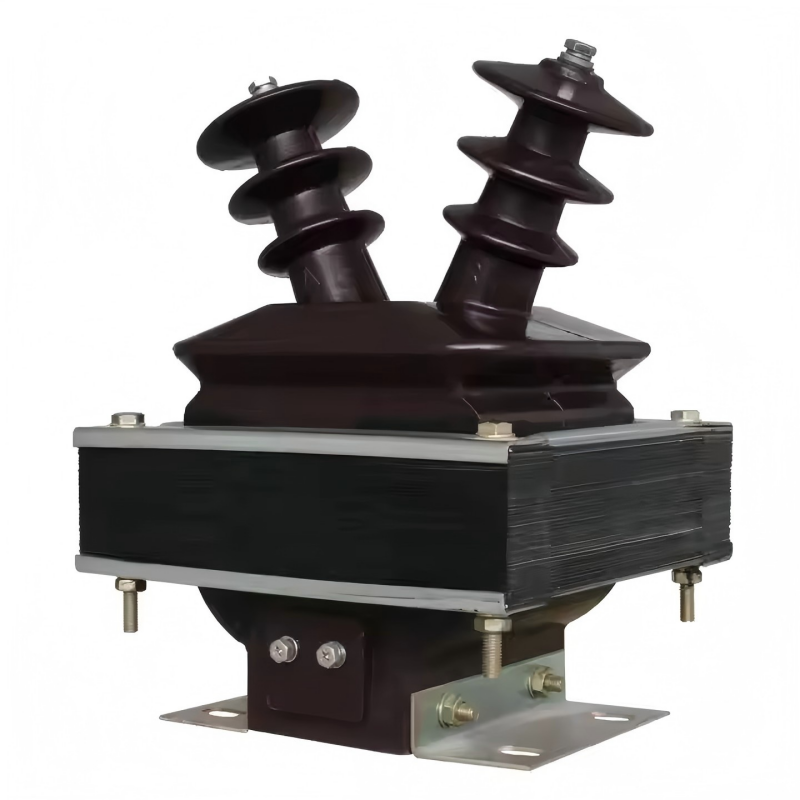
Implementing adaptive strategies in modern optimization frameworks fundamentally shifts how algorithms respond to dynamic environments. These strategies enable systems to self-adjust parameters and decision-making processes in real-time, moving beyond static configurations that often underperform when conditions fluctuate. By embedding feedback loops and monitoring performance metrics, adaptive frameworks can tweak learning rates, exploration-exploitation balances, or resource allocations on the fly, enhancing efficiency and robustness across diverse scenarios.
What sets contemporary approaches apart is their integration of machine learning and data-driven insights to inform these adaptations. For instance, in deep learning optimizers like Adam or RMSprop, adaptive mechanisms adjust step sizes based on gradient histories, preventing stagnation and accelerating convergence. Similarly, in operations research, adaptive strategies might recalibrate constraints or objectives as new data streams in, ensuring solutions remain viable and optimal under evolving business landscapes. This fusion of adaptability with computational intelligence not only boosts performance but also reduces manual tuning efforts, empowering users to tackle complex problems with greater agility.
Beyond technical implementations, the real-world impact of these frameworks is profound, enabling applications from autonomous vehicles adjusting to traffic patterns to supply chains optimizing in response to market shifts. By prioritizing adaptability, developers and researchers can build more resilient systems that thrive in uncertainty, ultimately driving innovation across industries while minimizing resource waste and downtime.
Boosting Efficiency Through Data-Driven Model Refinement
When organizations aim to enhance operational efficiency, they often turn to data-driven model refinement as a powerful tool. This approach involves analyzing real-world data to fine-tune processes, systems, and strategies, leading to more streamlined workflows and optimized outcomes. By leveraging insights from diverse data sources, teams can identify bottlenecks, reduce waste, and improve decision-making, ultimately driving performance gains across various functions. The beauty of this method lies in its adaptability; it can be applied from manufacturing lines to customer service, making it a versatile solution for modern business challenges.
Implementing data-driven refinement isn't just about collecting numbers—it requires a culture of continuous improvement and analytical thinking. For example, using machine learning algorithms to predict equipment failures before they occur can prevent downtime, saving both time and resources. By iteratively testing and adjusting models based on new data, organizations can achieve incremental gains that compound over time, fostering a proactive rather than reactive environment. This iterative process ensures that improvements are sustainable and aligned with evolving business goals, keeping pace with market demands.
Ultimately, the journey toward efficiency through data-driven model refinement is about harnessing technology to empower human expertise. It melds quantitative analysis with qualitative insights, enabling teams to make informed choices that boost productivity without sacrificing quality. As more companies adopt this approach, they often find that it not only enhances operational metrics but also fosters innovation by uncovering hidden opportunities. In a competitive landscape, this blend of data and refinement becomes a key differentiator, propelling businesses forward with smarter, more agile frameworks.
Customizing Transformer Applications for Diverse Engine Ecosystems
When we talk about tailoring transformer models for a variety of engine setups, it's all about adapting these powerful tools to work efficiently across different hardware and software environments. Think of it as tweaking a high-performance engine to run smoothly on various fuels and terrains. For instance, by fine-tuning the model's architecture and training parameters, developers can ensure it performs optimally whether deployed on a cloud-based GPU cluster or a resource-constrained mobile device. This adaptability not only boosts flexibility but also opens doors to innovative applications in industries like healthcare and finance, where diverse infrastructure demands specialized solutions.
In practice, customizing for diverse ecosystems often involves leveraging techniques like quantization and distillation. These methods compress the model's size and computational needs, making it more accessible without sacrificing too much accuracy. It's akin to designing a versatile vehicle that can navigate both city streets and rugged trails with ease. By integrating these optimizations, organizations can scale their AI initiatives more effectively, ensuring that transformer-powered features—from chatbots to recommendation systems—remain responsive and cost-effective across a broad range of operational contexts.
Ultimately, focusing on customization for varied engines leads to more resilient and inclusive AI solutions. It's not just about technical tweaks; it's about crafting models that can handle the real-world variability of deployment scenarios. This approach encourages creativity, allowing teams to experiment with hybrid setups and edge computing, thereby reducing dependency on centralized systems. By prioritizing such adaptability, businesses can future-proof their AI investments, driving smarter decisions and enhanced user experiences no matter the underlying technological landscape.
Streamlining Workflow Integration with Scalable Architectural Solutions
Imagine a workplace where every tool, from project management software to customer relationship databases, seamlessly talks to each other without constant manual intervention. That's the essence of streamlining workflow integration, a process that's becoming increasingly vital as businesses grow and their tech stacks expand. By adopting scalable architectural solutions, companies can design systems that not only connect existing applications efficiently but also adapt effortlessly to new additions. This approach reduces bottlenecks, cuts down on redundant data entry, and empowers teams to focus on strategic tasks rather than administrative hassles.
Scalable architectural solutions, such as microservices or event-driven architectures, offer a flexible backbone for workflow integration. Unlike monolithic systems that can become unwieldy under pressure, these designs allow for modular updates and independent scaling of components. For instance, a customer support team could integrate their ticketing system with a billing platform using APIs, ensuring real-time updates without disrupting other processes. This modularity means that as business needs evolve—whether adding a new marketing tool or expanding into new markets—the infrastructure can grow organically, avoiding costly overhauls.
The real-world impact of this integration is profound: it transforms how organizations operate on a day-to-day basis. By weaving together disparate workflows, companies can achieve greater agility, respond faster to market changes, and enhance collaboration across departments. Whether in a startup aiming to scale quickly or a large enterprise optimizing legacy systems, embracing scalable architectures turns integration from a technical challenge into a strategic advantage, driving efficiency and innovation in a competitive landscape.
Future-Proofing Optimization with Innovative Benchmarking Techniques
Organizations seeking to stay ahead in rapidly evolving markets are turning to innovative benchmarking techniques that go beyond traditional performance comparisons. By integrating dynamic scenarios and predictive analytics, these methods assess how current strategies might hold up under future conditions, rather than just measuring past successes against peers.
Such approaches often involve simulating various economic, technological, and competitive landscapes to identify vulnerabilities early on. This proactive stance allows teams to adjust their optimization efforts in real-time, ensuring resilience and adaptability as trends shift.
Ultimately, by marrying rigorous data analysis with creative foresight tools, businesses can craft strategies that not only excel today but also remain robust and relevant tomorrow, avoiding the pitfalls of static planning.
FAQ
It explores how transformer-based architectures can be adapted and refined to enhance the performance of various computational engines, focusing on efficiency and scalability in contemporary systems.
Unlike conventional techniques that tweak algorithms incrementally, it introduces a modular framework for dynamically generating and training transformer models tailored to specific engine tasks, fostering innovation and rapid iteration.
It can be applied in fields like data processing pipelines, where transformers optimize throughput, or in robotics, improving decision-making engines through enhanced neural network designs.
Key challenges include managing computational resources for large-scale transformer deployments and ensuring compatibility across diverse engine architectures without sacrificing speed or accuracy.
By providing customizable transformer modules, it enables deeper integration of machine learning into engine cores, leading to breakthroughs in areas like adaptive control systems and predictive modeling.
Yes, it's designed to be versatile, assisting in software for algorithm tuning and in hardware for optimizing chip designs through neural network-driven simulations and adjustments.
It anticipates a shift towards more autonomous, self-optimizing engines that leverage transformer technology for real-time learning and adaptation, reducing manual intervention and boosting overall system resilience.
Conclusion
The article explores how transformer technology revolutionizes modern engine optimization by adapting to diverse ecosystem requirements through data-driven refinements. It emphasizes the integration of scalable architectural solutions that streamline workflows while implementing adaptive strategies in optimization frameworks. By customizing applications for specific engine environments, the approach not only boosts efficiency but also future-proofs systems with innovative benchmarking techniques.
Harnessing transformer capabilities allows for enhanced performance across various engine types, from automotive to industrial settings. This involves refining models based on real-time data and integrating strategies that adapt to changing conditions. The focus on customization ensures that optimization efforts are tailored to unique ecosystem needs, while scalable solutions support seamless workflow integration. Ultimately, these advancements unlock new potentials in engine optimization, driving both current efficiency gains and long-term innovation in the field.
Contact Us
Contact Person: Doreen
Email: [email protected]
Tel/WhatsApp: 8618057712366
Website: https://www.liugaopower.com/