
Weighing Hopper Factory Solutions: Enhancing Industrial Efficiency and Precision
2026-03-30
In the fast-paced world of industrial manufacturing, precision and efficiency are not just goals—they're the foundation of success. At Fanchang Machinery, we understand that every detail counts, especially when it comes to weighing hopper systems that drive production lines forward. This blog delves into how cutting-edge factory solutions can transform your operations, boosting accuracy while slashing downtime. Whether you're optimizing an existing setup or planning a new installation, discover insights that will make you rethink what's possible. Let's explore the innovations shaping the future of industrial weighing together.
Innovative Design Features of Modern Weighing Hoppers
Modern weighing hoppers have revolutionized material handling with smart integration and precision engineering. Unlike older models that relied on basic mechanical scales, today's units incorporate IoT sensors and real-time data analytics, allowing for seamless adjustments in weight measurements. This shift not only enhances accuracy but also reduces waste by dynamically responding to changes in material flow or environmental conditions, making operations more efficient and cost-effective.
Another key innovation lies in the modular and customizable designs that adapt to diverse industrial needs. Manufacturers now offer hoppers with interchangeable components, such as variable discharge gates or anti-clogging liners, which can be tailored for specific materials like powders or granules. This flexibility eliminates the one-size-fits-all approach, empowering businesses to optimize their processes without extensive retrofitting, ultimately boosting productivity and reducing downtime.
Sustainability has also driven advancements, with many modern hoppers featuring energy-efficient materials and automated cleaning systems. For instance, some models use lightweight composites that lower energy consumption during transport, while others integrate self-cleaning mechanisms to prevent residue buildup and contamination. These eco-friendly touches not only align with green initiatives but also extend the equipment's lifespan, offering long-term value and reliability in demanding settings.
Custom Solutions for Diverse Industrial Applications
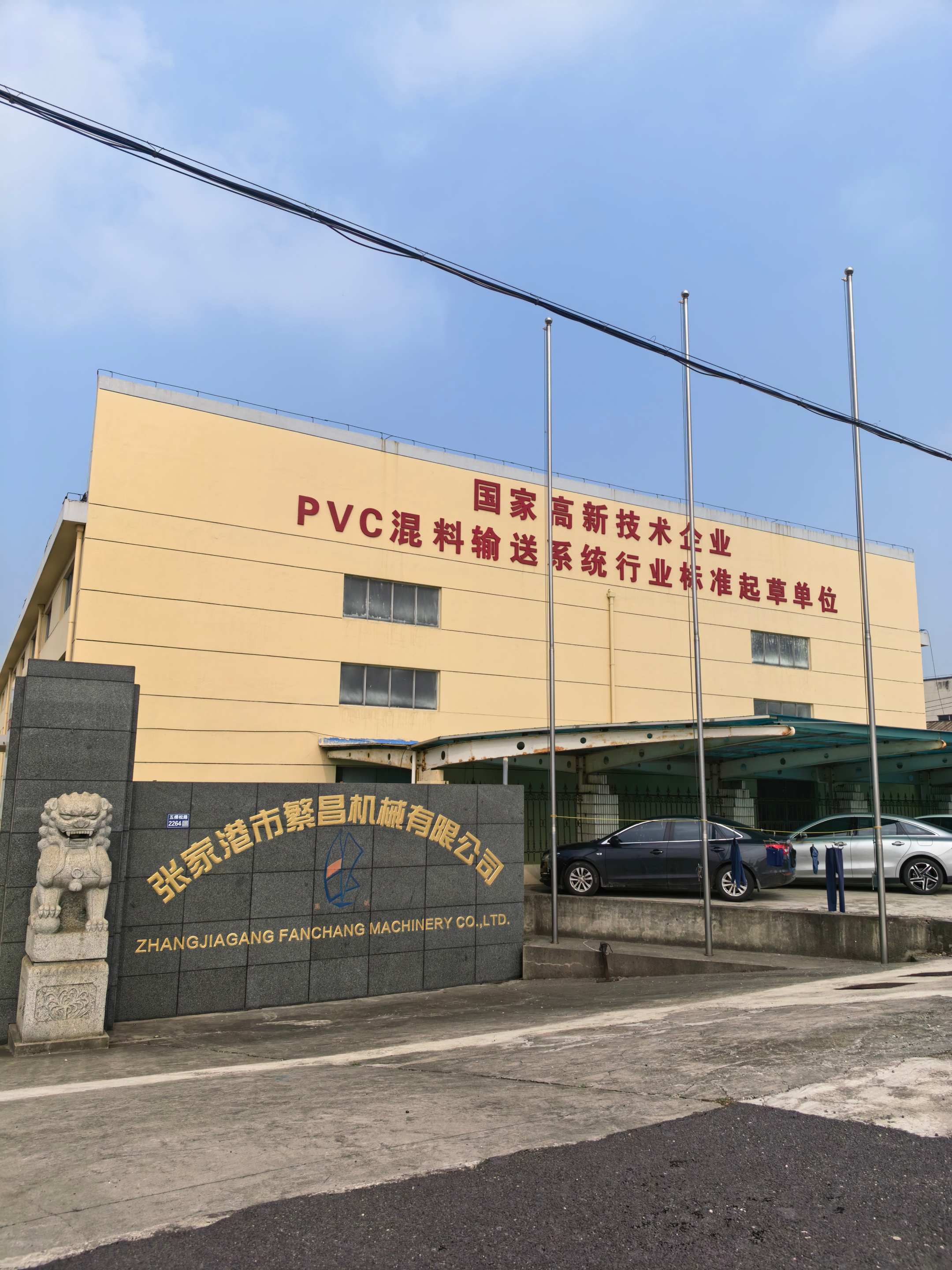
In a world where off-the-shelf products often fall short, our custom solutions are designed to meet the unique challenges of various industries. From manufacturing to logistics, we dive deep into client needs, tailoring every aspect to fit specific operational demands. This approach not only enhances efficiency but also drives innovation, as bespoke systems can integrate seamlessly with existing processes, reducing downtime and boosting productivity. By focusing on adaptability, we ensure that our solutions remain relevant even as industry landscapes evolve.
We believe that every sector has its own set of intricacies, whether it's managing complex supply chains in the automotive industry or ensuring precision in pharmaceutical production. Our team works closely with clients to develop solutions that address these nuances, incorporating advanced technologies like IoT sensors and data analytics to create smarter, more responsive systems. This hands-on collaboration results in tools that are not just functional but transformative, empowering businesses to tackle unforeseen obstacles and capitalize on new opportunities.
Beyond mere problem-solving, our custom solutions foster long-term partnerships, where continuous support and updates keep industrial applications running smoothly. By prioritizing scalability and sustainability, we help clients future-proof their operations, ensuring they stay ahead in competitive markets. From energy-saving features to user-centric designs, every element is crafted with care, making our offerings stand out as reliable, innovative assets for any industrial setting.
Precision Measurement Technologies in Material Handling
In the dynamic world of material handling, precision measurement technologies are revolutionizing how industries manage logistics, from warehouses to distribution centers. These tools go beyond simple weight checks, offering real-time data on dimensions, volumes, and spatial positioning with incredible accuracy. For example, advanced laser scanners and 3D imaging systems can instantly capture the exact size and shape of packages, enabling more efficient storage and transportation planning. This not only reduces errors and waste but also enhances safety by ensuring loads are properly balanced and secured.
What sets modern precision measurement apart is its integration with automation and smart systems. Technologies like RFID tracking, ultrasonic sensors, and computer vision are seamlessly embedded into conveyor belts, robotic arms, and forklifts, providing continuous feedback without human intervention. This allows for adaptive workflows that adjust in real-time to changing conditions, such as varying package sizes or unexpected obstacles. As a result, companies can achieve higher throughput rates and lower operational costs, while minimizing downtime caused by manual measurement inaccuracies.
Looking ahead, the evolution of these technologies is pushing boundaries with innovations like IoT-enabled sensors and AI-driven analytics. These advancements enable predictive maintenance and more granular inventory management, turning raw data into actionable insights. By leveraging precision measurement, businesses can not only optimize their current processes but also future-proof their operations against the growing demands of global supply chains, making material handling more resilient and responsive than ever before.
Optimizing Workflow with Advanced Hopper Systems
Advanced hopper systems are revolutionizing modern workflow processes by automating material handling with unprecedented precision and efficiency. These systems leverage cutting-edge technology to streamline operations, reducing manual intervention and minimizing bottlenecks in production lines. By integrating smart sensors and adaptive controls, they ensure consistent flow rates and prevent overflows or shortages, which directly boosts productivity and lowers operational costs. The result is a more agile and responsive workflow that adapts to real-time demands without sacrificing quality or safety.
What sets advanced hopper systems apart from conventional ones is their ability to seamlessly integrate with existing infrastructure while offering customizable solutions tailored to specific industries. For instance, in manufacturing, these systems can be programmed to handle varying material types—from fine powders to coarse granules—with minimal adjustments, eliminating downtime and enhancing flexibility. Their modular design allows for easy scalability, making them ideal for businesses looking to expand or adapt to changing market conditions without overhauling entire processes.
Beyond mere automation, advanced hopper systems contribute to a more sustainable workflow by optimizing resource utilization and reducing waste. They incorporate features like predictive maintenance algorithms that alert operators to potential issues before they escalate, ensuring uninterrupted operations. This proactive approach not only extends equipment lifespan but also fosters a safer working environment by mitigating risks associated with manual handling. Ultimately, adopting such systems positions companies at the forefront of innovation, driving long-term growth through smarter, more efficient workflows.
Enhancing Durability and Maintenance Efficiency
When it comes to improving how long your equipment lasts and how easy it is to keep it in top shape, it's not just about tough materials or quick check-ups. Think of it as building a system that gets smarter over time, learning from wear and tear patterns to predict when a part might fail before it even shows signs of trouble. This proactive approach helps avoid costly breakdowns, extends the operational life of assets, and turns maintenance from a reactive chore into a strategic advantage.
Imagine a setup where sensors constantly monitor performance metrics, feeding data into a central platform that flags potential issues based on real-world usage. By integrating this technology into daily operations, you can fine-tune maintenance schedules to match actual needs rather than relying on generic timelines. The result? Less downtime, reduced waste from unnecessary repairs, and a smoother workflow that keeps everything running efficiently without constant oversight.
On a practical level, focusing on durability and maintenance efficiency often means rethinking how components interact and how tasks are streamlined. Simple upgrades, like using corrosion-resistant alloys or modular designs that allow for easy part swaps, can drastically cut repair times and enhance overall reliability. When combined with clear documentation and staff training, this holistic strategy empowers teams to handle upkeep confidently, ensuring systems stay robust and manageable in the long run.
Integrating Smart Controls for Real-Time Monitoring
Integrating smart controls for real-time monitoring transforms how we interact with systems, offering immediate insights and responsiveness. This approach isn't just about adding technology; it's about creating a dynamic feedback loop where data flows seamlessly to influence decisions as they happen. For instance, in industrial settings, this can mean adjusting parameters on the fly to optimize performance, while in smart homes, it allows users to fine-tune environments based on live conditions.
What sets this integration apart is its ability to blend diverse data sources, from sensors to user inputs, into a cohesive monitoring framework. This means you're not just watching numbers change; you're seeing a holistic picture that adapts to context. Imagine a facility where energy usage, equipment health, and safety metrics are all tracked simultaneously, enabling proactive maintenance and energy savings without manual intervention. Such systems empower users to make informed adjustments instantly, reducing downtime and enhancing efficiency.
Beyond functionality, the real value lies in customization and scalability. These smart controls can be tailored to specific needs, whether for a small office or a large-scale operation, ensuring they grow with your requirements. By prioritizing intuitive interfaces and reliable connectivity, they make real-time monitoring accessible and actionable, turning complex data into straightforward insights that drive continuous improvement.
FAQ
Adopting these solutions can boost accuracy in material measurement, cut down on waste, and enhance overall production throughput.
With advanced sensors and calibration tech, they ensure exact weight readings, crucial for consistent product quality.
Initial costs and integration issues may arise, but phased implementation and expert support can ease the transition.
Yes, designs can be tailored with features like hygienic materials for food or high-precision controls for drugs to meet specific needs.
Automated controls reduce manual errors, speed up operations, and allow real-time data tracking for smoother workflow.
By optimizing material use, they lower operational expenses and support eco-friendly practices through reduced resource consumption.
Innovations like IoT connectivity and AI-driven analytics are leading to smarter, more adaptive systems.
Regular cleaning, periodic calibration checks, and prompt repairs of worn parts help maintain peak performance and durability.
Conclusion
Weighing hopper factories are revolutionizing industrial material handling by integrating innovative design features that enhance both operational efficiency and measurement precision. Modern weighing hoppers incorporate advanced materials and structural optimizations, such as reinforced alloys and streamlined geometries, which minimize material buildup and reduce downtime. These designs are complemented by precision measurement technologies, including high-accuracy load cells and automated calibration systems, ensuring consistent weight data even in demanding environments like mining or food processing. By focusing on durability through corrosion-resistant components and easy-access maintenance points, factories extend equipment lifespan and lower long-term costs, directly boosting industrial productivity.
Customization plays a key role in tailoring hopper solutions to diverse applications, from pharmaceuticals requiring hygienic designs to construction materials needing robust handling. Smart controls integrated into these systems enable real-time monitoring via IoT sensors and data analytics, allowing operators to optimize workflows dynamically, predict maintenance needs, and reduce errors. This holistic approach—combining tailored designs with intelligent automation—sets these factories apart, delivering not just equipment but comprehensive solutions that streamline processes, enhance precision, and adapt seamlessly to evolving industrial demands, ultimately driving significant gains in efficiency and reliability.
Contact Us
Contact Person: Darye WANG
Email: [email protected]
Tel/WhatsApp: 86-13501017897
Website: https://www.fcntd.com/