
Best Copper Pipe Options for Plumbing Excellence
2026-01-14
Welcome to our guide on the best copper pipe options for plumbing excellence! Whether you're a professional plumber or a DIY enthusiast, choosing the right copper pipes is crucial for ensuring durability, efficiency, and long-lasting performance in your plumbing systems. In this post, we'll explore top-quality selections that stand out in the market, including those from reputable manufacturers like Jiangsu Baowu New Materials, known for their innovative solutions. Get ready to discover how investing in superior copper materials can transform your projects and why certain brands lead the way in quality. Let's dive in and uncover the secrets to flawless plumbing installations!
Understanding Copper Pipe Types for Plumbing Projects
Copper pipes have long been a staple in plumbing systems, prized for their durability and reliability. When tackling a plumbing project, it's essential to know the different types available, such as Type K, Type L, and Type M. Each type varies in wall thickness, making them suitable for specific applications—like Type K for high-pressure lines underground, while Type L is commonly used for residential water supply.
Beyond the standard types, consider factors like size and fittings when selecting copper pipes. Options range from rigid to flexible forms, with rigid pipes ideal for long straight runs and flexible ones fitting easily into tight spaces. This versatility helps DIYers and professionals alike tailor their plumbing setups efficiently, ensuring compatibility with various fixtures and local codes.
In practice, understanding copper pipe types can streamline your project, reducing waste and avoiding costly mistakes. For instance, using the right thickness can prevent leaks or bursts under pressure. By familiarizing yourself with these distinctions, you'll make informed choices that enhance the longevity and performance of your plumbing system.
Benefits of Copper in Residential and Commercial Plumbing
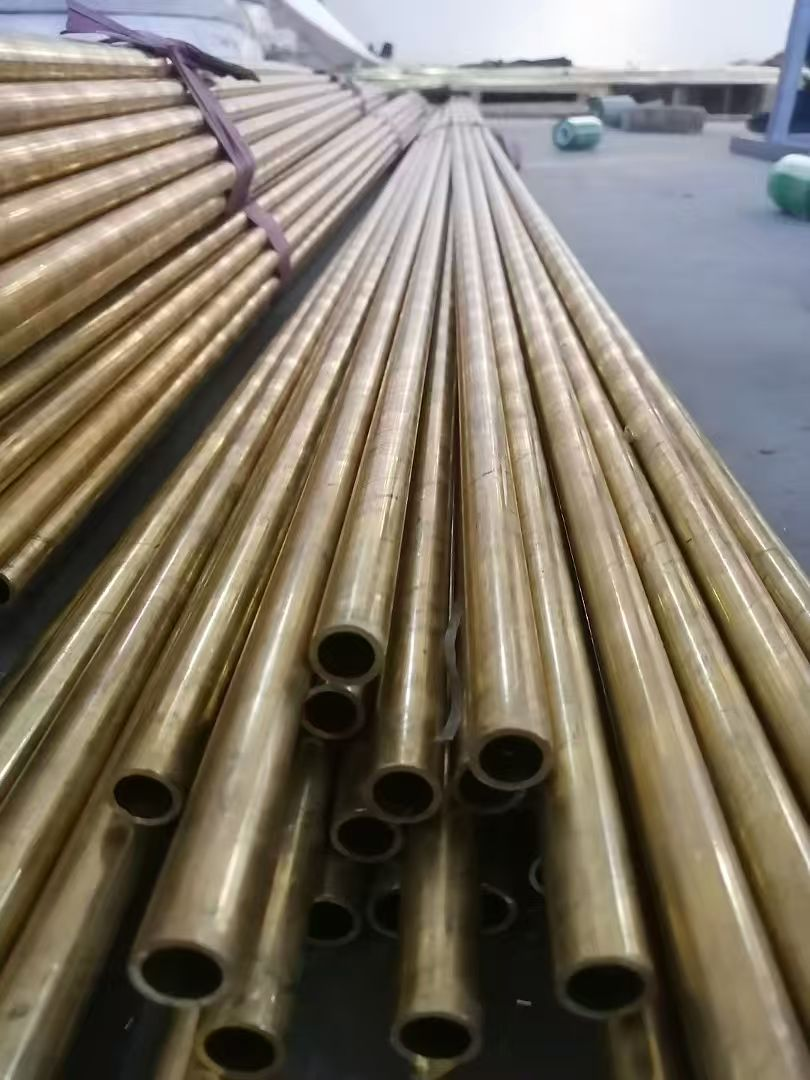
Copper plumbing has been a trusted choice for decades, offering durability and reliability that's hard to match. In residential settings, it's often prized for its ability to withstand high temperatures without degrading, making it ideal for hot water lines. Plus, its natural resistance to corrosion means fewer leaks over time, saving homeowners from costly repairs. Many people also appreciate that copper doesn't affect water taste, ensuring a clean, pure flow that's perfect for everyday use. It's a material that just works, quietly and efficiently, blending into the background while doing its job.
In commercial applications, the benefits of copper become even more pronounced. Its fire-resistant properties add an extra layer of safety in large buildings, reducing risks in case of emergencies. Copper pipes handle high pressure with ease, which is crucial for systems serving multiple floors or heavy usage areas. This means businesses can rely on consistent water delivery without frequent maintenance interruptions, keeping operations smooth and cost-effective. It's a material that scales well, from small offices to sprawling complexes, proving its versatility across various industries.
Beyond just functionality, copper plumbing offers subtle advantages that set it apart. Its longevity often outlasts alternative materials, meaning less waste over the years—a plus for environmentally conscious projects. Some experts note that copper has natural antimicrobial properties, which can help maintain water quality by inhibiting bacterial growth. While not the flashiest feature, this can contribute to healthier water systems in both homes and businesses. It's these understated traits that make copper a standout, not just as a practical choice, but as a smart, forward-thinking investment for any plumbing system.
Choosing the Right Copper Pipe Thickness and Size
Selecting the appropriate copper pipe thickness, often referred to as wall thickness or schedule, is a critical decision in plumbing and HVAC installations. Thinner pipes, like Type M, are commonly used for residential water supply lines where pressure is moderate, while thicker options, such as Type L and Type K, are ideal for high-pressure systems, commercial applications, or areas prone to freezing. It's not just about durability; choosing the right thickness can impact flow rates and energy efficiency. Consider factors like water pressure, temperature extremes, and local building codes to ensure a reliable and long-lasting setup.
When it comes to pipe size, measured by nominal diameter, the choice directly affects the performance of your system. A mismatch can lead to issues like reduced water pressure, noise, or even damage to fixtures. For instance, in a home, 1/2 inch pipes might suffice for individual fixtures, but 3/4 inch pipes are often recommended for main supply lines to handle multiple demands simultaneously. It's a balancing act between cost and capacity—oversizing can be wasteful, while undersizing might cause inefficiencies down the line. Always measure your needs based on the number of outlets and expected usage patterns.
In practice, combining the right thickness and size ensures a seamless installation. For example, in a renovation project, using Type L copper with a 3/4 inch diameter for hot water lines can prevent corrosion and maintain consistent flow, even in older buildings. Don't just rely on standard charts; consult with professionals or conduct a site-specific assessment to account for unique variables like pipe runs and elevation changes. This tailored approach helps avoid common pitfalls and enhances the overall reliability of your copper piping network.
Installation Tips for Durable Copper Plumbing Systems
Before you start installing copper plumbing, it's crucial to choose the right type of copper tubing for your project—whether it's Type K for underground use or Type L for indoor applications. Always cut pipes cleanly with a tubing cutter to prevent rough edges that might impede water flow or cause leaks. After cutting, ream the inside edges to remove any burrs, which can trap debris and reduce efficiency over time. This initial prep work sets the foundation for a system that'll last for decades without hiccups.
Soldering copper joints requires more than just heat; it's about technique and timing. Clean the pipe and fittings thoroughly with emery cloth or a dedicated brush until they shine, then apply flux evenly to prevent oxidation during soldering. When heating, move the torch around the joint to distribute heat uniformly—overheating one spot can weaken the copper. Watch for the flux to bubble and the solder to melt and flow into the joint by capillary action; a smooth, silver ring indicates a solid seal. Rushing this step often leads to leaks, so take your time to master the art of soldering for leak-free connections.
Post-installation, don't forget to test your system under pressure before covering it up. Run water through the pipes to check for leaks, and consider a pressure test with a gauge to ensure everything holds up under normal conditions. Insulate pipes in unheated areas to prevent freezing in winter, which can cause costly damage. Regular maintenance, like checking for corrosion or mineral buildup, will help your copper plumbing stay durable and efficient, proving that a little extra care upfront pays off in long-term reliability.
Comparing Copper Pipes with Alternative Materials
When we think about plumbing, copper pipes often spring to mind as a reliable, time-tested option. They've been the trusted choice for decades, prized for their durability and ability to resist corrosion, which keeps water flowing smoothly for years. Copper pipes are versatile too, working well in both hot and cold water systems, and they have a sleek, polished look that some homeowners appreciate in exposed installations. However, they come with a higher upfront cost and can be more labor-intensive to install, requiring soldering skills. Plus, in areas with acidic water, there's a slight risk of pitting over time.
Enter the alternatives like PEX and PVC pipes, which have been shaking things up in the plumbing world. PEX, or cross-linked polyethylene, is flexible and easy to install, almost like threading a garden hose, making it a go-to for DIY enthusiasts and pros alike. It's cost-effective and can expand slightly to handle freezing temperatures without bursting, a real game-changer in colder climates. Meanwhile, PVC (polyvinyl chloride) is lightweight, inexpensive, and great for drain lines and non-pressure applications, though it's not suited for hot water. Both materials offer quicker installation and lower material costs compared to copper, but they might not match copper's longevity or aesthetic appeal.
Choosing between copper and its alternatives really depends on your specific needs. If you're aiming for a long-term investment and want that classic, sturdy feel, copper could be worth the extra expense. But if you're on a budget, need quick repairs, or live in a frost-prone area, PEX or PVC might be the smarter pick. It's not just about cost or ease; consider environmental factors too, as copper mining has impacts, while plastics may raise recycling concerns. Ultimately, weighing durability against flexibility and cost will help you make the right call for your project.
Maintenance and Longevity of Copper Plumbing Solutions
When it comes to copper plumbing, its legendary durability is a standout feature. Unlike other materials that may degrade with time, copper pipes can last for decades with minimal fuss. To keep them in top shape, a simple routine like checking for any discoloration or signs of condensation can catch issues early. Copper's natural resistance to corrosion means you won't face the same problems as with steel or plastic, and that translates to fewer unexpected repairs down the line.
Many homeowners appreciate that copper requires very hands-off maintenance. It doesn't need special coatings or frequent inspections once installed correctly. In most climates, it handles temperature changes without cracking, and its smooth interior prevents sediment buildup that can plague other systems. Just occasionally wiping down exposed pipes to keep them clean and ensuring joints are tight is usually enough. This low-effort upkeep makes copper a smart choice for busy households looking for reliability without constant attention.
Longevity is where copper truly shines, often outlasting the buildings themselves. In many older homes, original copper pipes are still functioning perfectly after 50 years or more. This isn't just about durability; it's a cost-saver over time, reducing replacements and labor. Plus, copper's recyclability adds an eco-friendly edge—when it finally does reach the end of its use, it can be melted down and repurposed, minimizing waste. By opting for copper, you're investing in a system built to last a lifetime with minimal environmental impact.
FAQ
Type M, L, and K copper pipes are commonly used, with Type L being the most popular for its balance of durability and cost-effectiveness in residential plumbing.
Copper is more durable and resistant to corrosion than many plastics, offers better heat tolerance, and has a longer lifespan, but it can be more expensive upfront.
Consider building codes, water pressure requirements, and whether it's for hot or cold water lines; Type M is thinner for low-pressure applications, while Type K is thicker for high-pressure or buried lines.
Use proper soldering techniques to avoid leaks, install expansion joints to handle temperature changes, and avoid direct contact with dissimilar metals to prevent galvanic corrosion.
Copper can develop pinhole leaks over time due to corrosion from acidic water or poor installation, so regular inspections and water treatment can help mitigate these risks.
Copper is antimicrobial and doesn't leach harmful chemicals, making it safe for drinking water, but it can sometimes cause a metallic taste if the water is acidic or if pipes are new.
Yes, copper is versatile and suitable for both, with thicker types like K or L often used in commercial settings for higher durability and pressure handling.
Copper tends to have higher material and labor costs due to its price and installation complexity, but it may offer savings in the long run through reduced maintenance and longer service life.
Conclusion
When aiming for plumbing excellence, selecting the right copper pipe options begins with understanding the various types available for different projects. Copper pipes are favored for their proven benefits in both residential and commercial settings, offering superior durability and resistance to corrosion. Choosing the appropriate thickness and size is crucial to ensure optimal performance and longevity, while proper installation techniques can significantly enhance the system's resilience.
Comparing copper with alternative materials highlights its unmatched reliability and efficiency, making it a standout choice for high-quality plumbing. Regular maintenance further extends its lifespan, ensuring that copper plumbing solutions remain a top-tier option. By integrating these aspects, one can achieve a robust and long-lasting plumbing system that excels in both functionality and value.
Contact Us
Contact Person: Zoe Liang
Email: [email protected]
Tel/WhatsApp: 86 189 2128 6299
Website: https://www.baowuchina.com